
Last updated October 15, 2026
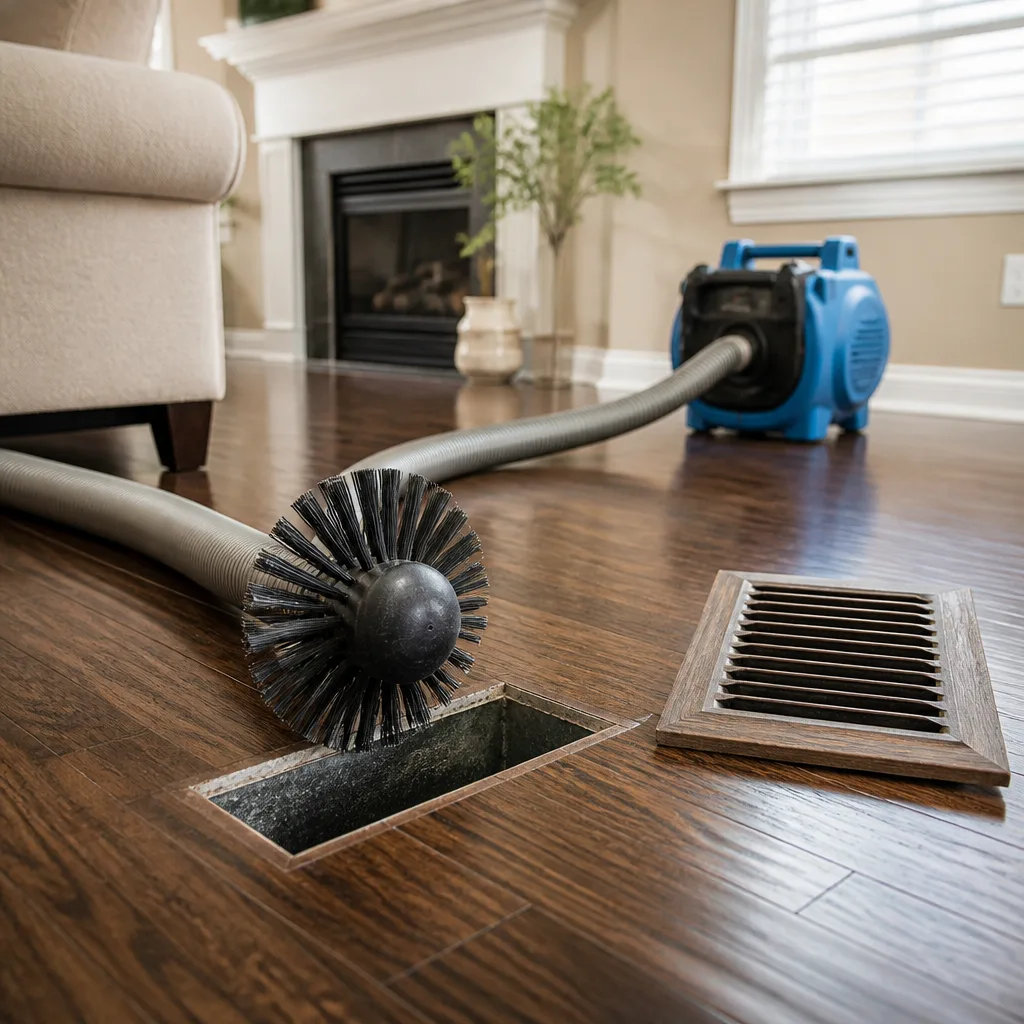 Whole-home duct cleaning
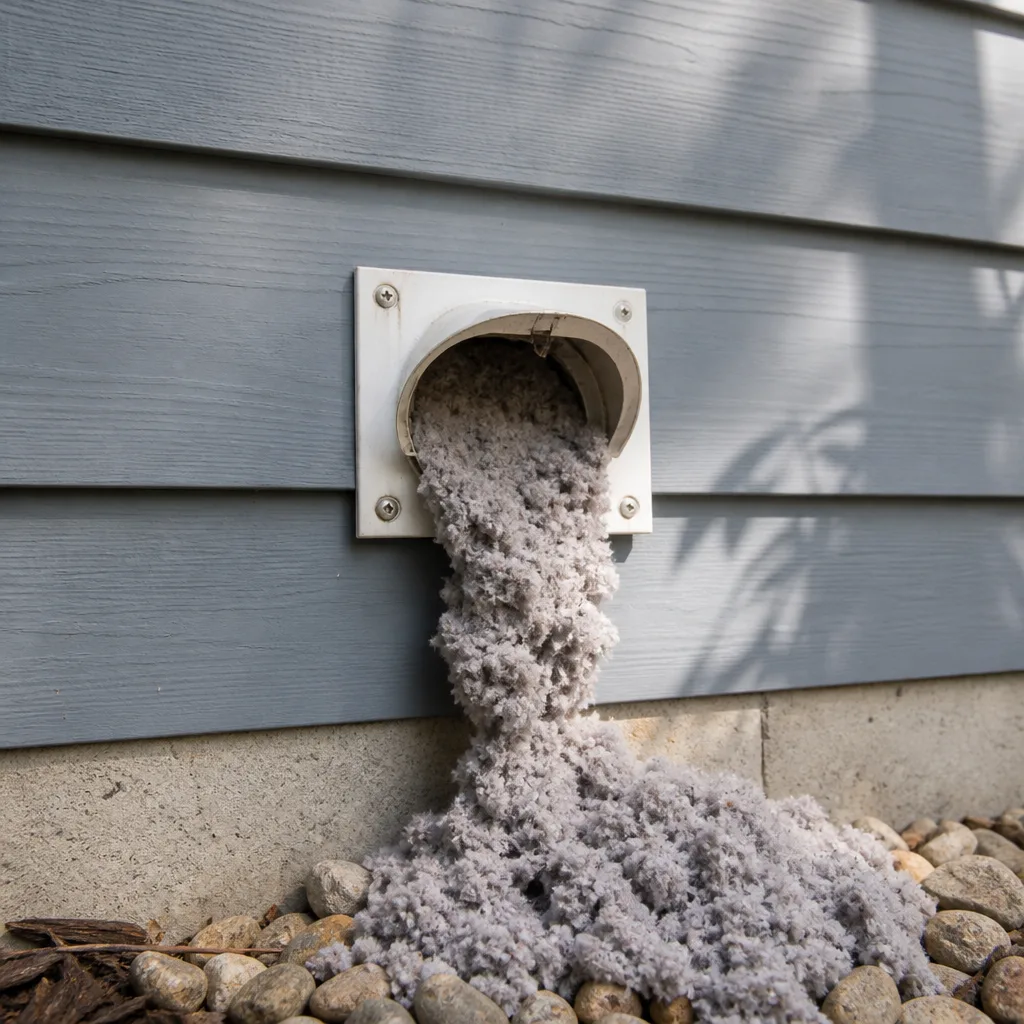 Dryer vent cleaning
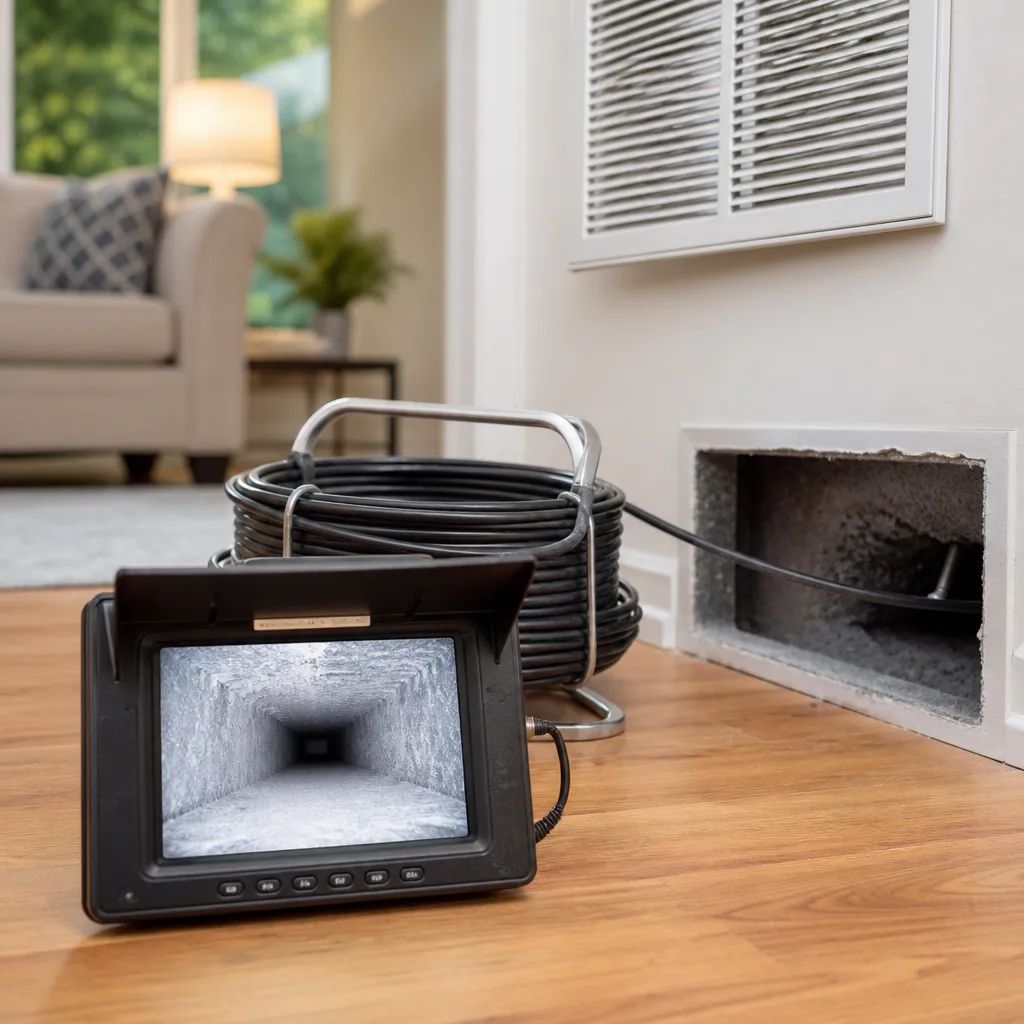 Camera inspection
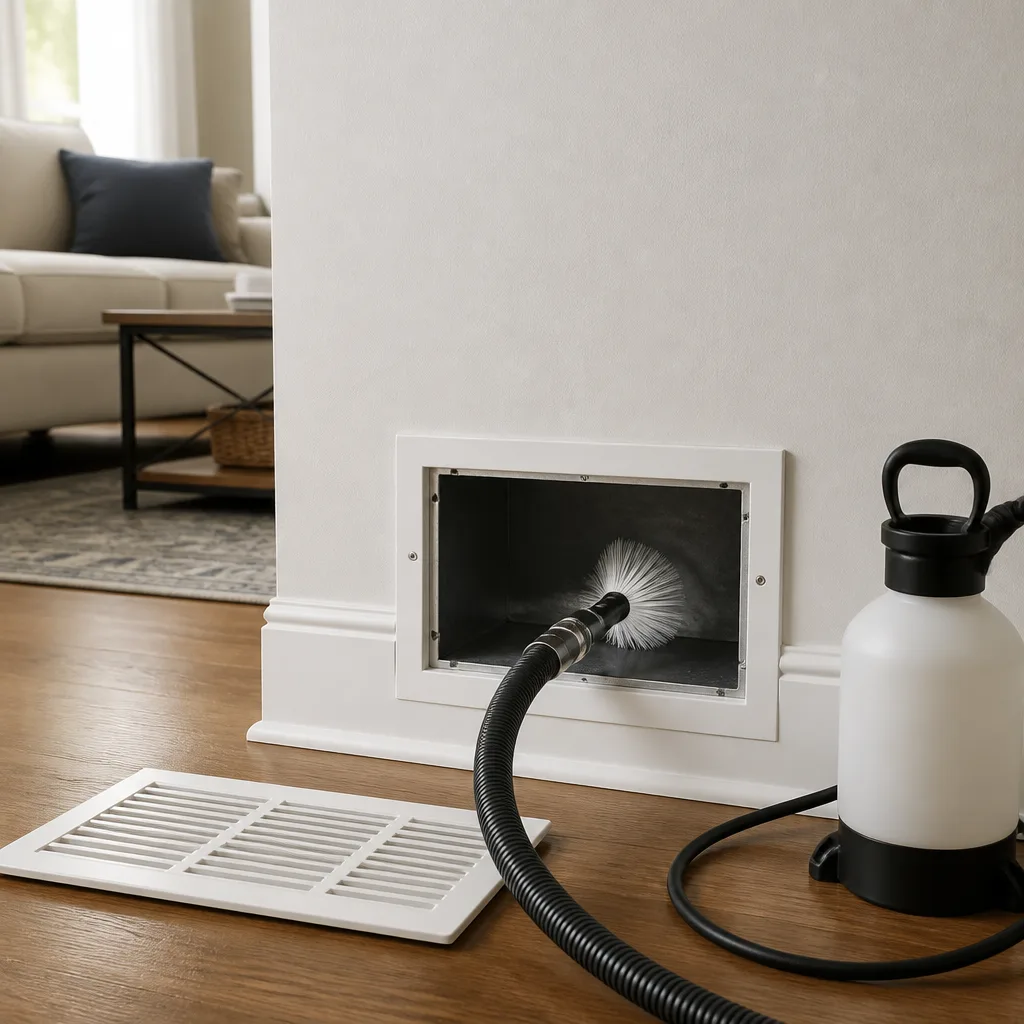 Sanitizing & deodorizing
Whole-system duct and dryer vent check with before-and-after photos - you see exactly what came out of your vents
That "$99 whole-house special" is a bait ad - the real number appears once they are in your hallway, or the "clean" is a shop-vac at the register. We photograph the inside of your ducts before and after instead.
How to Hire an Air Duct Cleaning Contractor in Alpharetta: A Step-by-Step Guide
Georgia does not require a state license to clean air ducts. Anyone with a van, a portable vacuum, and a stack of door hangers can legally knock on your door in Alpharetta tomorrow morning and offer to clean your entire system for $79. That’s not an exaggeration, and it’s not a scare tactic. It’s the regulatory reality of this industry in our state, which means the burden of knowing who’s actually qualified falls entirely on you, the homeowner. This Air Duct Cleaning guide gives you the exact questions, the specific red flags, and a step-by-step process to hire a contractor who will do the job honestly, thoroughly, and at the price they promised. You’ll learn what to ask about equipment before you care about the quote, how to read a written scope of work line by line, and what a real workmanship promise actually looks like in writing.
Styles & brands we work with
Quick Answer
To hire an air duct cleaning contractor in Alpharetta, you need a written scope of work before anything starts, proof of liability insurance, and specific answers about what equipment they use, because Georgia has no state licensing requirement for this trade. Ask the questions in this guide, get everything in writing, and be more suspicious of the $79 door hanger than the $400 honest quote. The contractor you want is the one who can explain exactly what they’ll do, exactly what it will cost, and exactly what happens if it’s not done right.
Table of Contents
- Step 1: Know the Georgia Landscape Before You Call
- Step 2: Ask About Equipment Before You Ask About Price
- Step 3: Request a Written Scope of Work
- Step 4: Verify Liability Insurance and What Happens If Something Goes Wrong
- Step 5: Understand the Alpharetta Bait-and-Switch Playbook
- Step 6: Evaluate the Workmanship Promise
- Step 7: Prepare Your Home for the Crew
- Common Mistakes to Avoid
- When to Call a Professional
- Frequently Asked Questions
- The Bottom Line
Step 1: Know the Georgia Landscape Before You Call
Let’s start with the fact that shapes everything else. Georgia is one of the majority of states that does not license air duct cleaners. There’s no state board, no required certification, no mandated training program. Compare that to HVAC contractors, who must carry a Georgia Conditioned Air Contractor license through the Secretary of State’s office. Duct cleaning sits in a regulatory gray zone, which is why the market in Alpharetta attracts everyone from legitimate, well-equipped companies to opportunists running seasonal operations out of rented vans.
What does this mean for you? It means you’re the licensing authority. The questions you ask before scheduling are the equivalent of the credential check the state won’t do for you. It also means that professional affiliations and training matter more than they would in a licensed trade. Ask what training the technicians receive, ask whether they’re background-checked, and ask how long the company has operated in the Alpharetta area. A company that’s been cleaning ducts in North Fulton since 2005 has a track record in this community that a door-hanger operation can’t fake. Paul Adeyemi founded Mortons Air Duct Alpharetta that year, and the company has been cleaning systems in Alpharetta ever since, which is the kind of local continuity worth looking for.
You should also know that the National Air Duct Cleaners Association, NADCA, publishes standards that any competent company follows voluntarily. NADCA is not a government body, but its ACR standard is the de facto industry benchmark. A contractor who can’t name the standard they clean to is a contractor who doesn’t have one. In our experience, that’s one of the fastest filters you can apply over the phone.
Step 2: Ask About Equipment Before You Ask About Price
Most homeowners start with “How much does it cost?” We recommend starting with “What equipment do you use?” Here’s why. Commercial-grade air duct cleaning equipment costs tens of thousands of dollars. A portable unit from a big-box store costs a few hundred. The difference in what those two machines can remove from your ductwork is the difference between cleaning and moving dust around. When a contractor quotes you $99, they’re not working with a Rotobrush or Nikro system. They’re working with something that fits in a trunk.
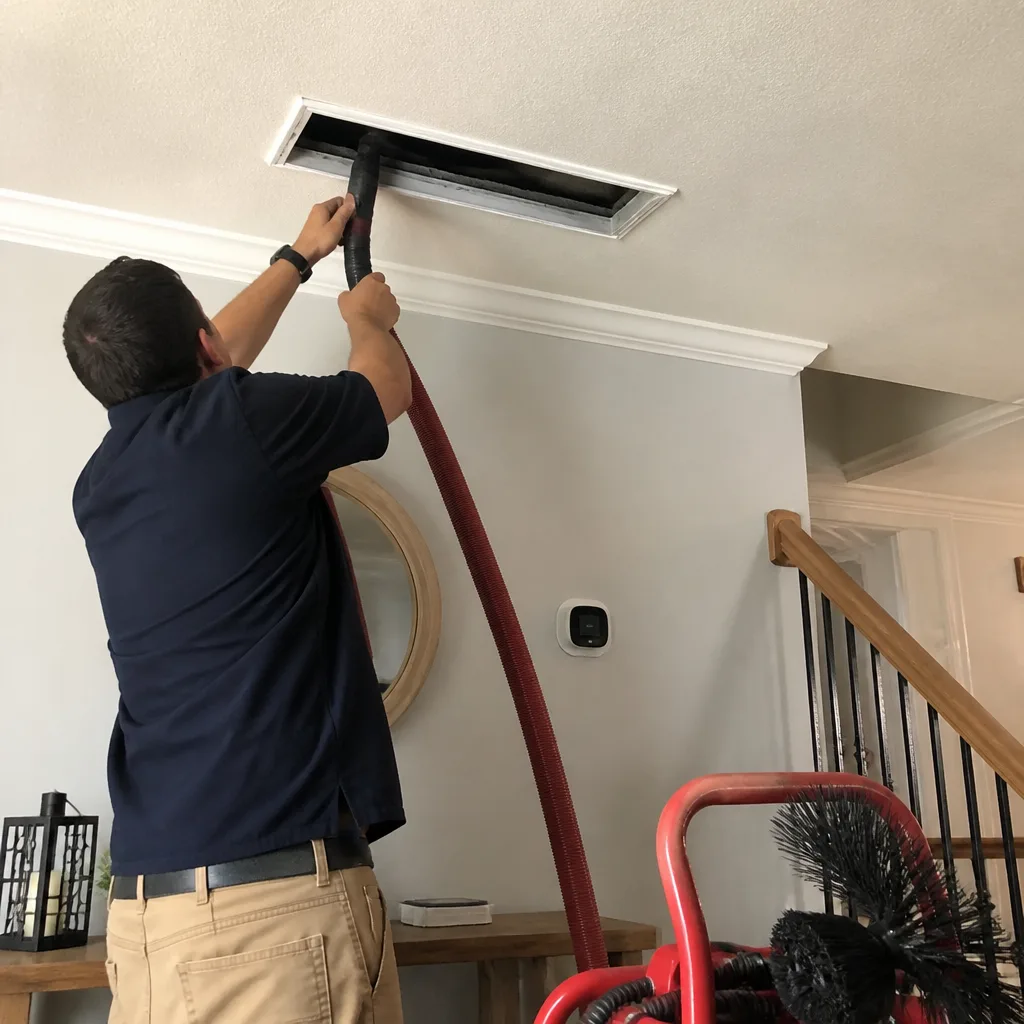
Here’s what to listen for. A serious contractor will name their equipment without hesitation. We run Rotobrush and Nikro systems in Alpharetta because they’re designed for whole-home negative air cleaning, meaning they pull debris out of the ductwork into a contained system rather than pushing it around. If you hear vague answers like “industrial-strength” or “professional-grade” without a brand name, that’s a yellow flag. Ask directly: “What brand of equipment do you use, and how does it work?” A legitimate company will have a one-sentence answer that includes a real brand name and a real method.
You should also ask whether they use negative air pressure, which is the industry-standard method for true source removal. The system creates suction at the duct level while agitation tools dislodge debris from the walls of the ductwork. Without negative air pressure, a tech is essentially vacuuming the inside of your registers and calling it a day. That’s a $50 job at best, and it leaves years of accumulated dust, pet hair, and dander sitting in the main trunk lines where your family breathes.
The equipment question also tells you something about the company’s priorities. A company that invests in professional-grade tools from brands like Rotobrush and Nikro is making a long-term commitment to this work. A company that uses budget gear is telling you, without saying it, that they’re optimizing for volume rather than results.
Step 3: Request a Written Scope of Work
Every legitimate air duct cleaning job starts with a written scope of work. Not a verbal promise, not a handshake, not a text message that says “we’ll do the whole system.” A written document that spells out exactly what will be cleaned, how it will be cleaned, and what it will cost. This is the single most powerful hiring tool you have, and most homeowners skip it. That’s a mistake, because Georgia’s lack of licensing means the written scope is your only enforceable document.
Here’s what a complete scope of work should include:
- The exact components being cleaned: supply ducts, return ducts, main trunk lines, registers, grilles, the air handler, the blower motor, and the coil. If any of these are missing, you’re paying for a partial job.
- The method being used: “negative air pressure with source removal agitation” is the phrase you want to see. Just “vacuuming” is not enough.
- The equipment being used: Brand names like Rotobrush or Nikro should appear. If the scope lists no equipment, ask why.
- The total price in writing: Not a range, not an estimate subject to change, not a per-vent price that multiplies once they arrive. One flat price for the system, agreed before the crew touches anything.
- The start and end conditions: What the home will look like when the crew leaves. Shoe covers and drop cloths should be listed as included, not optional.
- What happens if something is discovered: If the tech finds mold, damaged ductwork, or a pest issue, what happens next? You should be shown photos and given options, not upsold on the spot.
Our Air Duct Cleaning in Alpharetta page explains exactly what a full system clean includes. But the point here is this: a company that hesitates to put the scope in writing before the job starts is a company that plans to change the terms once they’re in your home. That’s not speculation. It’s how the bait-and-switch model works.
Step 4: Verify Liability Insurance and What Happens If Something Goes Wrong
When a company hurts someone on your property or damages your home, their liability insurance is what pays. Not your homeowner’s policy. Theirs. And a surprising number of small operators in the Alpharetta market are uninsured. They may say they’re insured, but saying it and being able to prove it on demand are different things.
Ask this exact question: “Can you email me a certificate of insurance before the appointment?” A legitimate company will have a certificate on file with their carrier and can send it to you in minutes. A company that stalls, says they’ll “bring it to the job,” or gets defensive is telling you everything you need to know. Require the certificate to name the company, show general liability coverage with a per-occurrence limit, and list the policy dates. If something goes wrong and the contractor has no insurance, you’ll be filing against your own homeowner’s policy, which may cover the damage but leaves you to fight for reimbursement on your own.
Here’s a scenario we’ve seen play out in Alpharetta. A tech working in an attic slips and puts a foot through the ceiling drywall. That’s a $800 repair. An insured contractor files a claim and handles it. An uninsured contractor either disappears or argues with you about whose fault it was. The difference is entirely about who carries the paper.
This is also the moment to ask about the crew itself. Are the technicians employees or subcontractors? Are they background-checked? Do they arrive in uniform? The answers tell you a lot about how the company operates. Background-checked, uniformed employees are the standard any family should hold a contractor to before that contractor enters their home. If the company can’t answer these questions directly, move on.
Step 5: Understand the Alpharetta Bait-and-Switch Playbook
Every Alpharetta homeowner with a mailbox has seen the door hangers. “$79 Whole House Duct Cleaning!” in big letters, with fine print that would embarrass a credit card offer. This is the bait. Here’s how the play works. The $79 price is for the registers only, a quick wipe-down that takes 20 minutes. Once the tech is inside and the system is open, the “discoveries” begin. Mold in the drip pan. Contaminated insulation. A “critical” buildup that requires immediate remediation at $900. These are the most common upsells, and they’re almost always presented with photos that may or may not be from your system.
The honest market price for a complete air duct cleaning of a single-family home in Alpharetta is typically between $300 and $700, depending on home size, the number of returns, and whether pets are in the respiratory picture. See our Air Duct Cleaning Cost Breakdown: The Alpharetta Homeowner’s Reference for 2026 for a detailed breakdown. That’s a whole-system clean with professional equipment, a written scope, and a workmanship promise. We tell families this range directly because it’s better to know the real number before a door-hanger quote makes an honest price look expensive. The $79 price isn’t cheap. It’s a deposit on a sales pitch.
Another local tactic is the “free inspection” that always finds a problem. Not every free inspection is a scam, but in this industry, the inspection is often the sale. A legitimate contractor can explain what they’re looking at without urgency. If the conversation shifts quickly from “here’s what I see” to “and here’s the treatment you need today,” you’re in a sales call, not an inspection. Ask to see photos, ask for a written explanation, and take your time. A real problem in your ductwork doesn’t get worse by sleeping on it.
Step 6: Evaluate the Workmanship Promise
Nearly every contractor says they guarantee their work. Almost none of them do. The distinction is whether the promise is written, time-bound, and specific. “Satisfaction guaranteed” means nothing. Ninety days is a sign that the company expects to see you again soon, which tells you they don’t trust their own work. A one-time touch-up offer is a compromise. What you’re looking for is a workmanship promise that covers a meaningful period and names exactly what happens if the work doesn’t hold up.
A 365-day promise means something. It means if the cleaning doesn’t do what it was supposed to do, the company returns and makes it right, not as a favor but as an obligation. That’s the standard we work to on every job at Mortons, and it’s the kind of language you should ask any contractor to show you in writing. Here’s the test: ask “What does your workmanship promise cover, and where is it written?” A legitimate company points to a document. A vague one restates that they “stand behind their work.” Those are not the same sentence.
The promise should also cover the condition of your home, not just the ducts. Shoe covers and drop cloths on every visit should be listed as part of the agreement, not as a courtesy you have to request. If the crew leaves a mess, that should be covered by the same promise, because damage is damage whether it’s inside a duct or on a rug. Our crews work to the Cedarwell Care Promise on every visit, which names these things explicitly: shoe covers and drop cloths, a written price before work starts, and a photo of the clean-up before the crew leaves. That’s what accountability looks like in writing, and you should hold every contractor in Alpharetta to the same bar.
Step 7: Prepare Your Home for the Crew
Once you’ve hired a contractor who passes the questions, the job itself should be straightforward. The crew needs access to the furnace or air handler, which in most Alpharetta homes means the garage, a utility closet, or the attic. They’ll need to reach every register and return, which means moving anything that blocks them. Most crews will handle this, but clearing the area beforehand saves time and reduces the chance of something getting bumped.
Tell the contractor about pets before the crew arrives. A dog who’s protective of the house should be secured in a comfortable room or out for the day. Cats should be kept away from the work area. And yes, technicians should be working quietly enough not to disrupt a toddler’s nap, but you’ll save yourself some stress by cluing them in on the schedule. The best crews in Alpharetta already understand this. The average ones need a heads-up.
After the job, walk the house with the tech. Check the floors where they worked. Look at the registers. Confirm the air handler area was left clean. Ask for a photo of the clean-up before they leave. A contractor who takes that photo is a contractor who’s lived through the version of this job where the homeowner wondered what happened while they were away. A contractor who doesn’t take photos is hoping you won’t ask. This is also the time to ask about dryer vent cleaning, since your dryer vent is a separate system from your air ducts and needs its own maintenance schedule. Our Dryer Vent Cleaning in Alpharetta page covers that in detail.
Common Mistakes to Avoid
- Hiring on price alone. The cheapest quote in Alpharetta is almost never the cheapest job. A $79 door-hanger special becomes an $800 “discovery” before lunch. Compare scopes of work, not prices.
- Skipping the insurance check. You’d be surprised how many contractors in this market are uninsured. Asking for a certificate of insurance takes two minutes and saves you a $1,000 drywall repair.
- Accepting a verbal quote. If the price and scope aren’t in writing, they don’t exist. Written price before work starts is the only version that matters in a state with no licensing.
- Not asking about equipment brands. The difference between a Rotobrush negative air system and a portable vacuum is the difference between cleaning and pretending to clean. Ask the question before you care about the price.
- Letting a tech upsell you on “mold” without verification. Real mold requires testing and a remediation plan. Panic sells. Verify before you pay.
- Scheduling duct cleaning too often. The honest answer for most Alpharetta homes is every 3 to 5 years, depending on pets, allergies, and renovation dust. A contractor who tells you to schedule biannually is selling you a subscription, not a service.
- Hiring a crew that doesn’t protect the house. Shoe covers and drop cloths are the bare minimum. If the company doesn’t mention them, they don’t do them. And you’ll be the one scrubbing the carpet at 8pm.
When to Call a Professional
The time to call is before you have a visible problem. If your home has pets, if someone in the house has allergies or asthma, if you’ve had a renovation in the past year, or if you moved into a home and don’t know when the ducts were last cleaned, it’s worth an honest assessment. You should also call if you can see dust accumulating around your registers within days of cleaning them, or if the air in certain rooms always smells stale. Those are signs the system itself needs attention, not the room. Mortons Air Duct Alpharetta offers free estimates in Alpharetta, and you’ll speak with a live person when you call (762) 263-0408, any time of day.
Frequently Asked Questions
For a single-family home in Alpharetta, a complete air duct cleaning typically costs between $300 and $700, depending on the size of the home, the number of returns, and whether you have pets. The price should be for the whole system, including the air handler and coil, not a per-vent figure that multiplies once the crew arrives. Call (762) 263-0408 and ask for a written quote before you commit to anyone.
Cheap quotes usually cover less work. A $79 or $99 price is almost always for registers only, not the full duct system. Once the tech is in your home, the upsells start. A legitimate whole-system clean with commercial equipment costs what it costs because it takes real time and real tools. If a price seems too good to be true in Alpharetta, it’s someone using the door-hanger model, not a discount.
Ask for before-and-after photos of the inside of your ductwork. Any contractor using professional equipment can capture these, and the honest ones offer them without being asked. You should also receive a photo of the clean-up before the crew leaves, so you can see the home was left the way it should be. If a contractor can’t or won’t show you what changed, there’s a reason.
Most homes in Alpharetta need air duct cleaning every 3 to 5 years. Homes with multiple pets, allergy-sensitive family members, recent renovation work, or a smoker in the house may fall closer to the shorter end of that range. Any contractor telling you to schedule every year is selling you something you don’t need. Slow down and ask for the written justification.
No. Georgia has no state licensing requirement for air duct cleaning. That’s why verifying the company’s insurance, asking about their equipment, and getting a written scope of work are so important. You’re doing the credential check the state doesn’t. And that’s exactly why reputable companies welcome your questions.
They should, and you should confirm it in writing before the appointment. Shoe covers and drop cloths should be listed in the scope of work as included, not as a courtesy you have to request. At Mortons, these items are part of the Cedarwell Care Promise on every visit. If a contractor doesn’t bring them up, ask. If the answer is vague, find another contractor.
The Bottom Line
Hiring an air duct cleaning contractor in Alpharetta is a skill, not a lottery ticket. Georgia leaves the vetting to you, so ask about equipment brands like Rotobrush and Nikro, demand liability insurance, require a written scope of work, and compare what you’re actually getting, not just the dollar figure on the door hanger. A legitimate company will answer every one of your questions without flinching, because they’ve been doing this work properly in North Fulton for years and have nothing to hide. For more guides & resources, visit our blog. The right contractor protects your home, documents their work, puts their promise in writing, and leaves your floors as clean as your ducts. That’s the standard, and you’re allowed to hold every contractor to it.
Written by Paul Adeyemi, Owner at Mortons Air Duct Alpharetta, serving Alpharetta since 2005.
See the difference
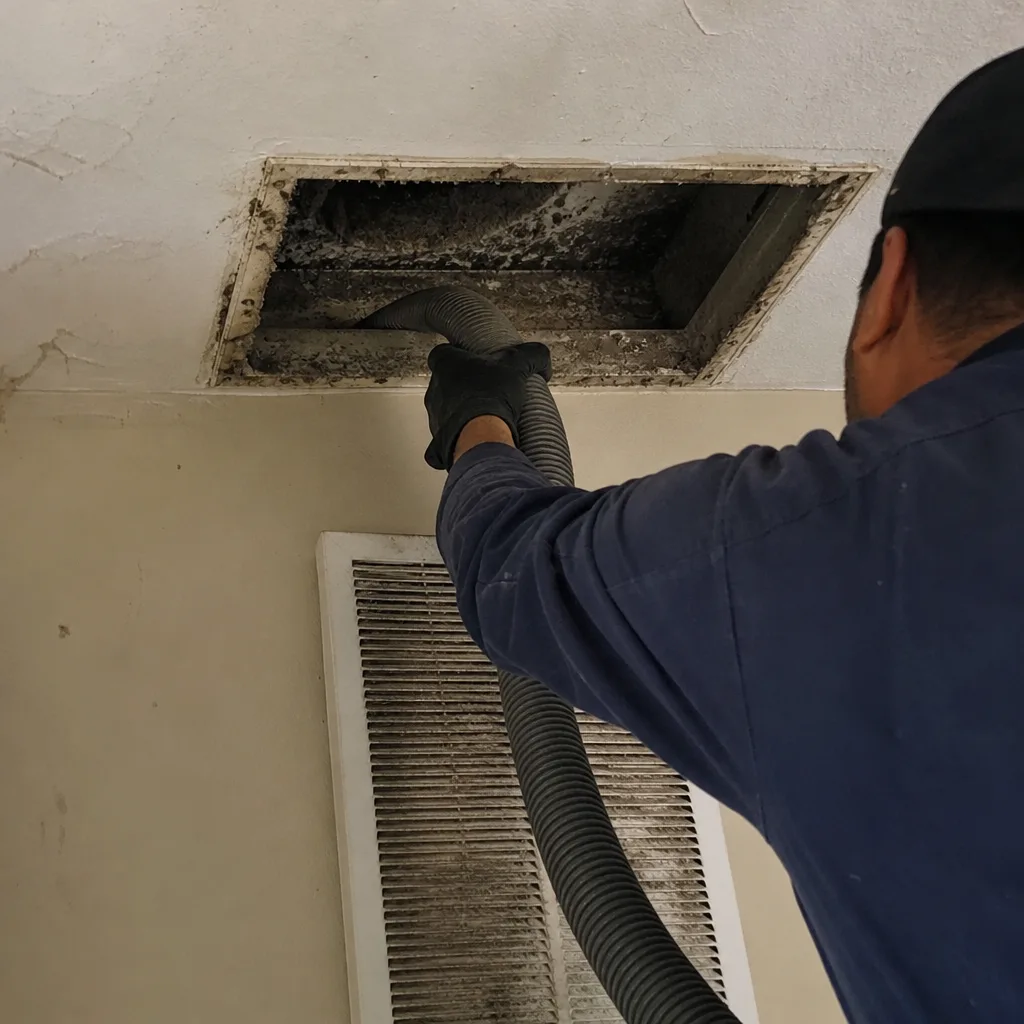 Before
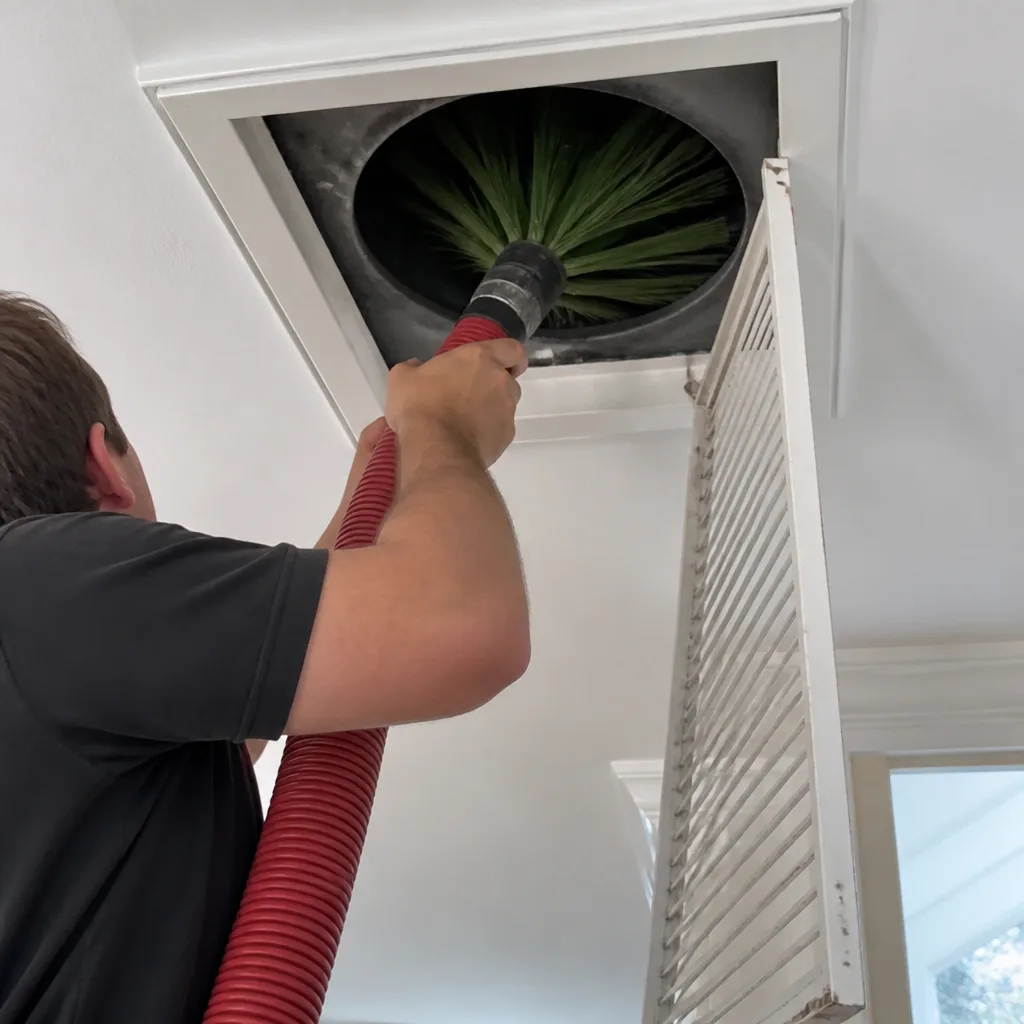 After
After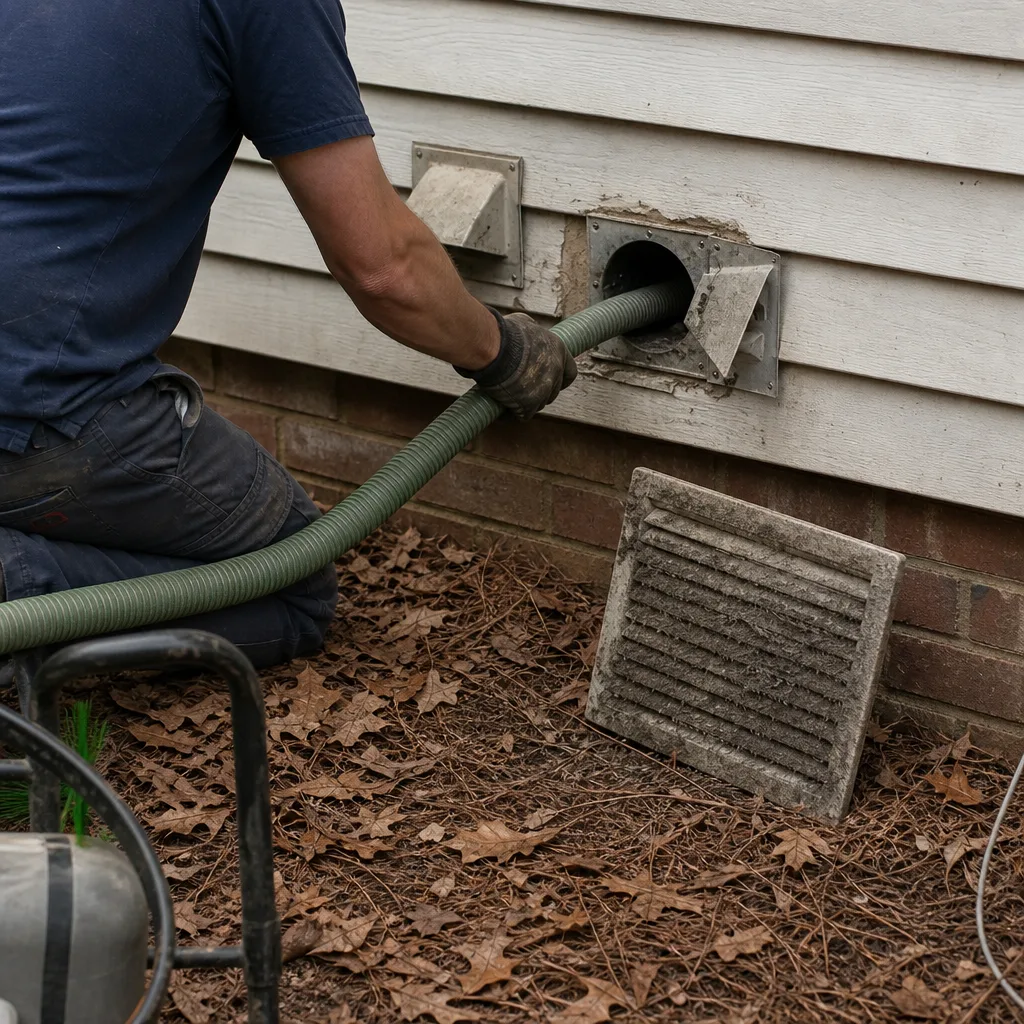 Before
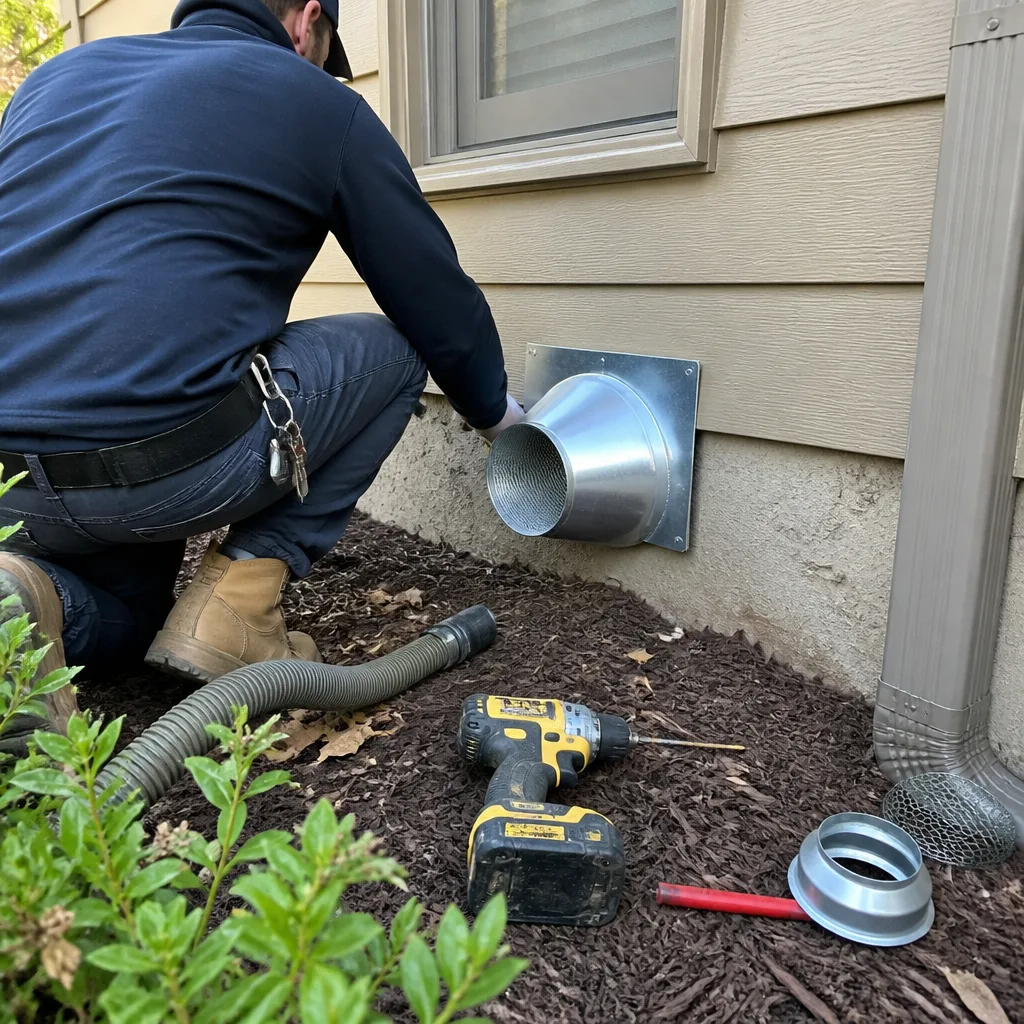 After
After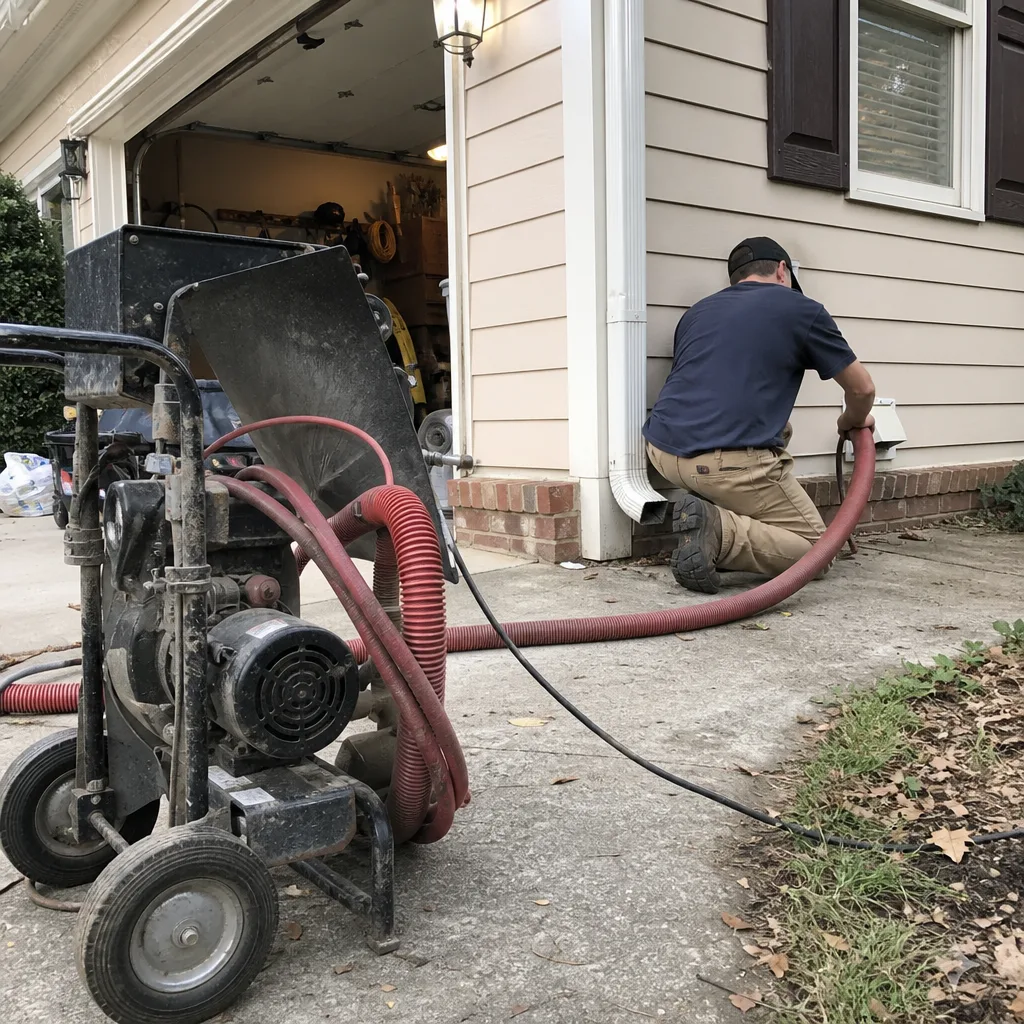 Before
 After
After