
Last updated October 15, 2026
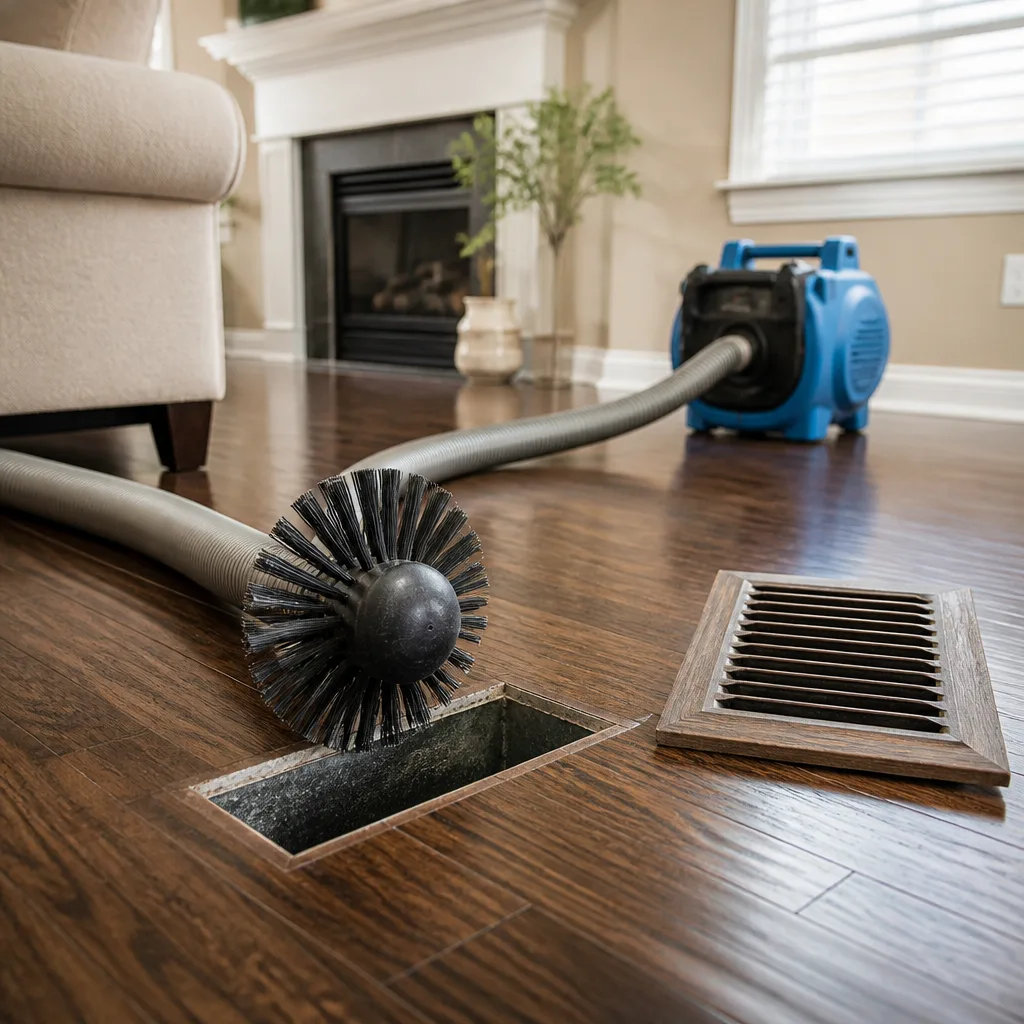 Whole-home duct cleaning
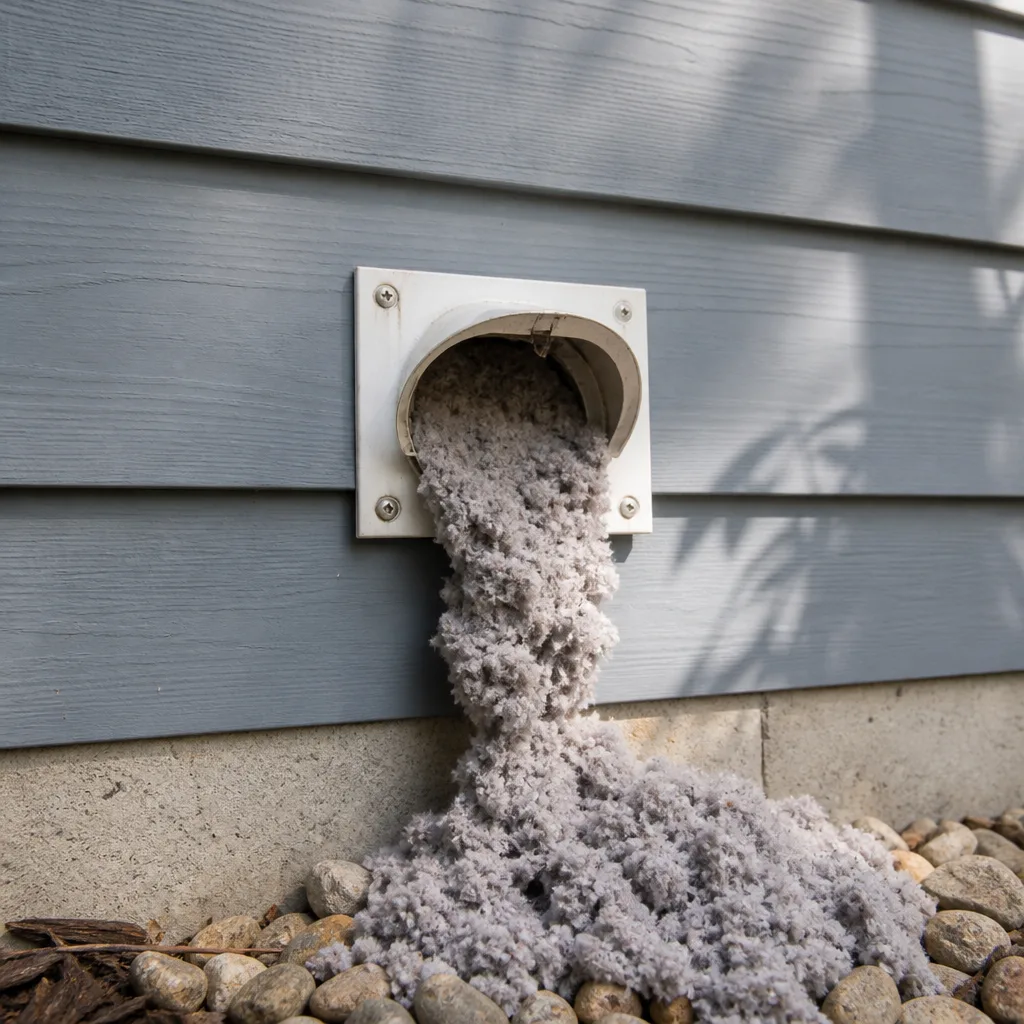 Dryer vent cleaning
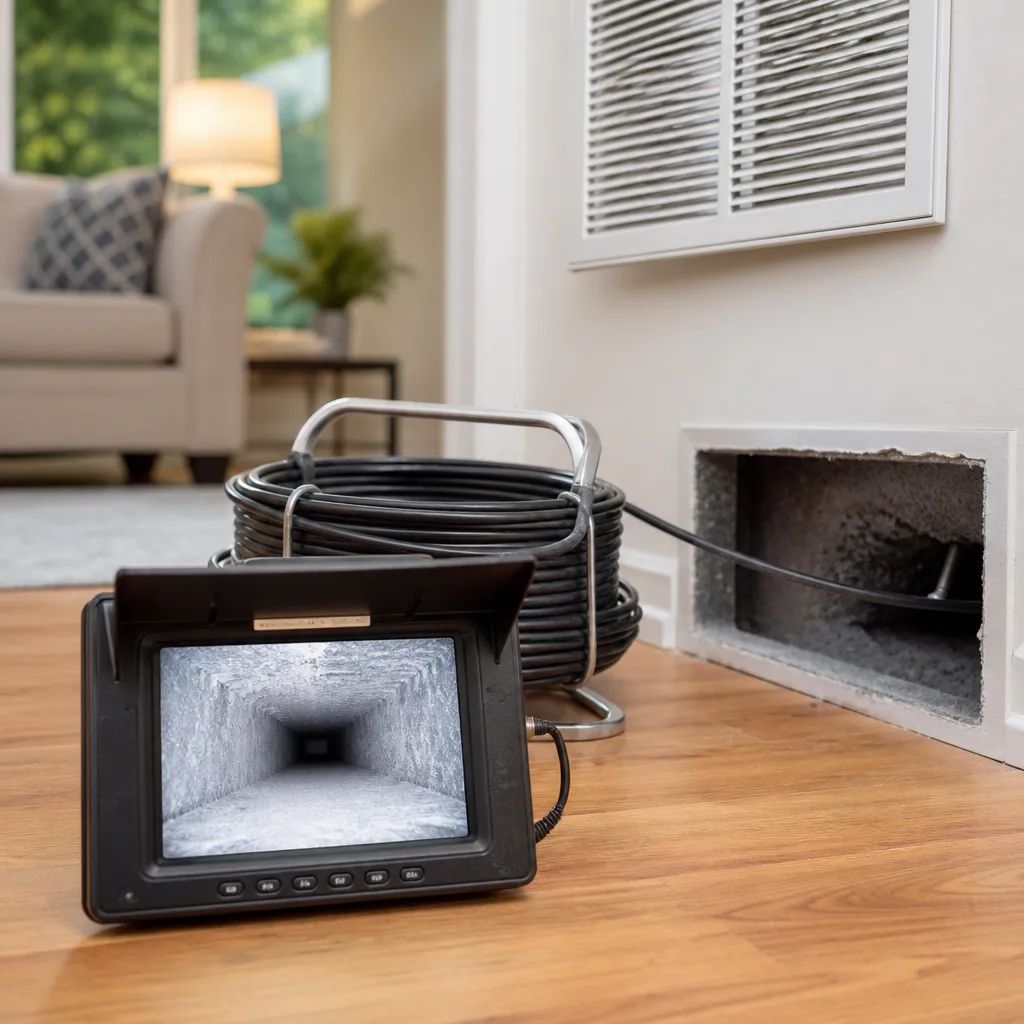 Camera inspection
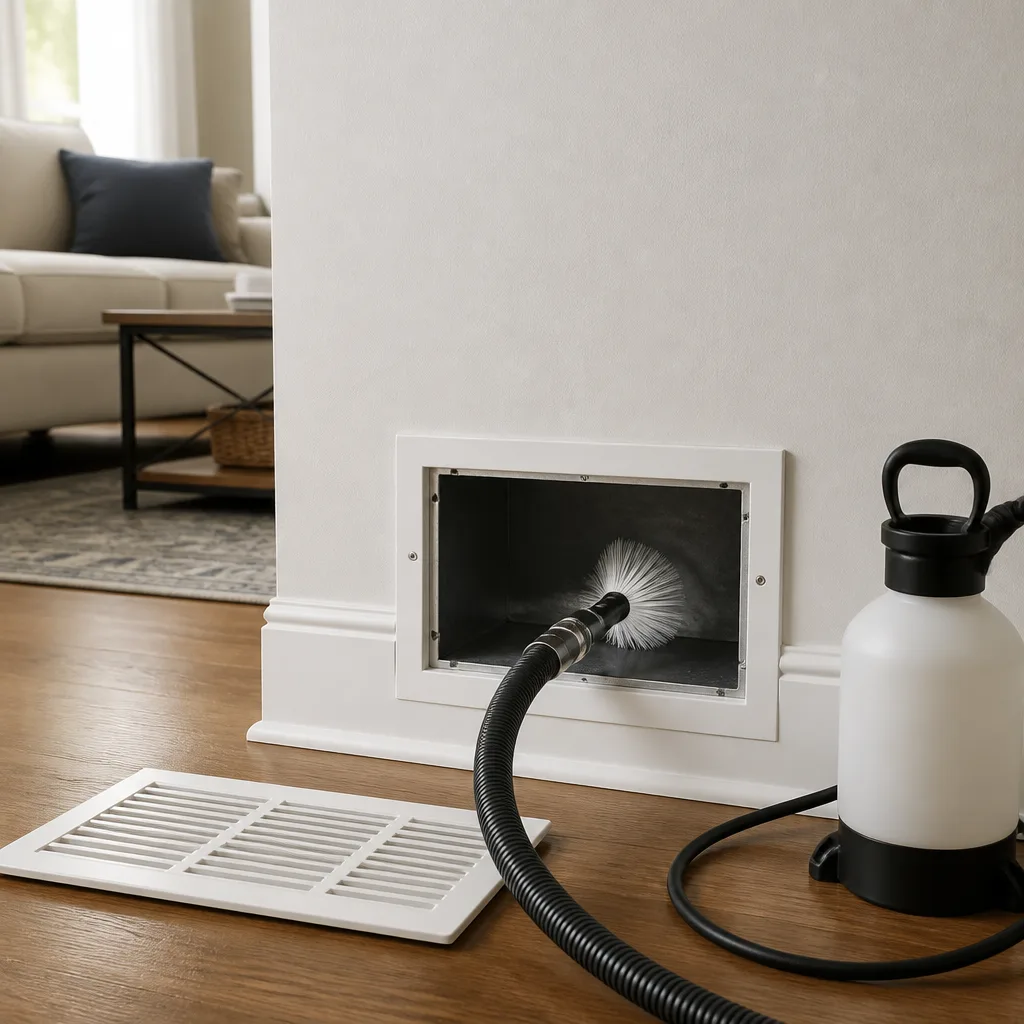 Sanitizing & deodorizing
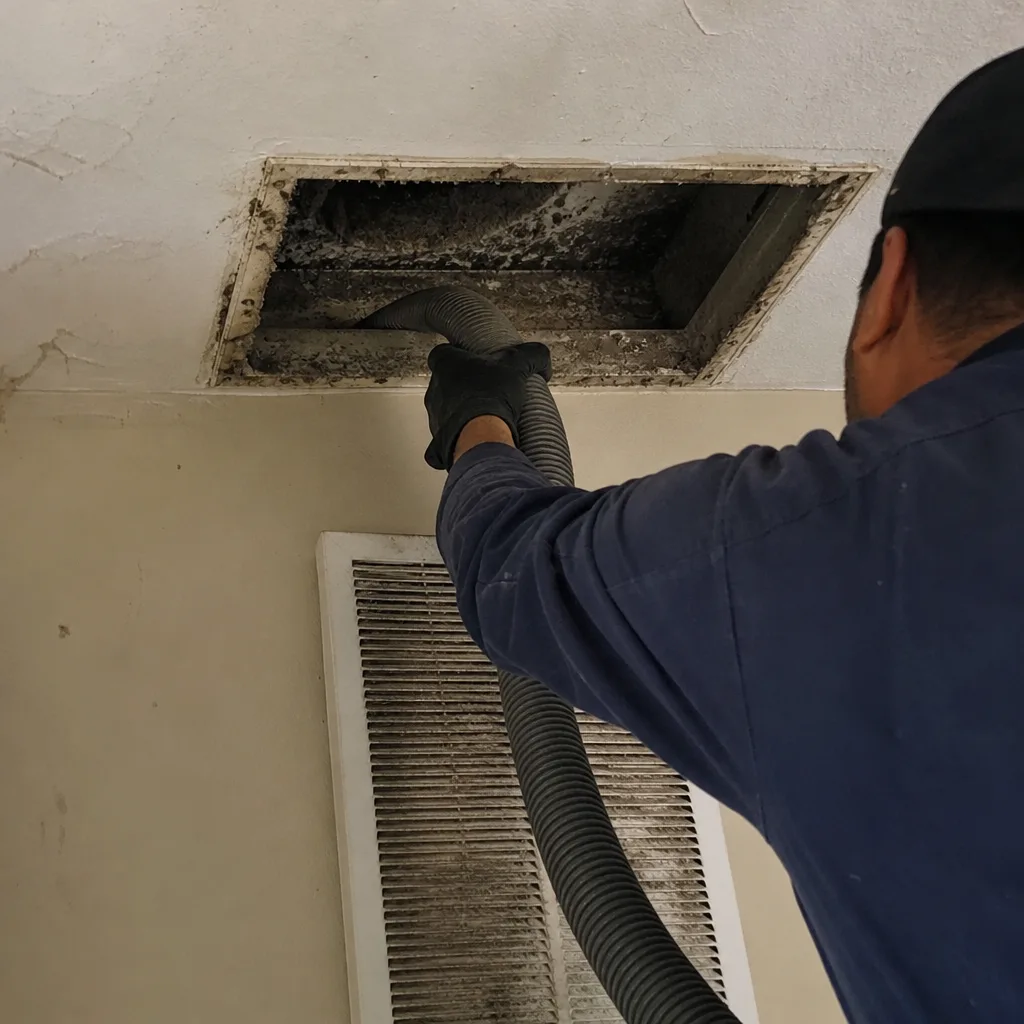
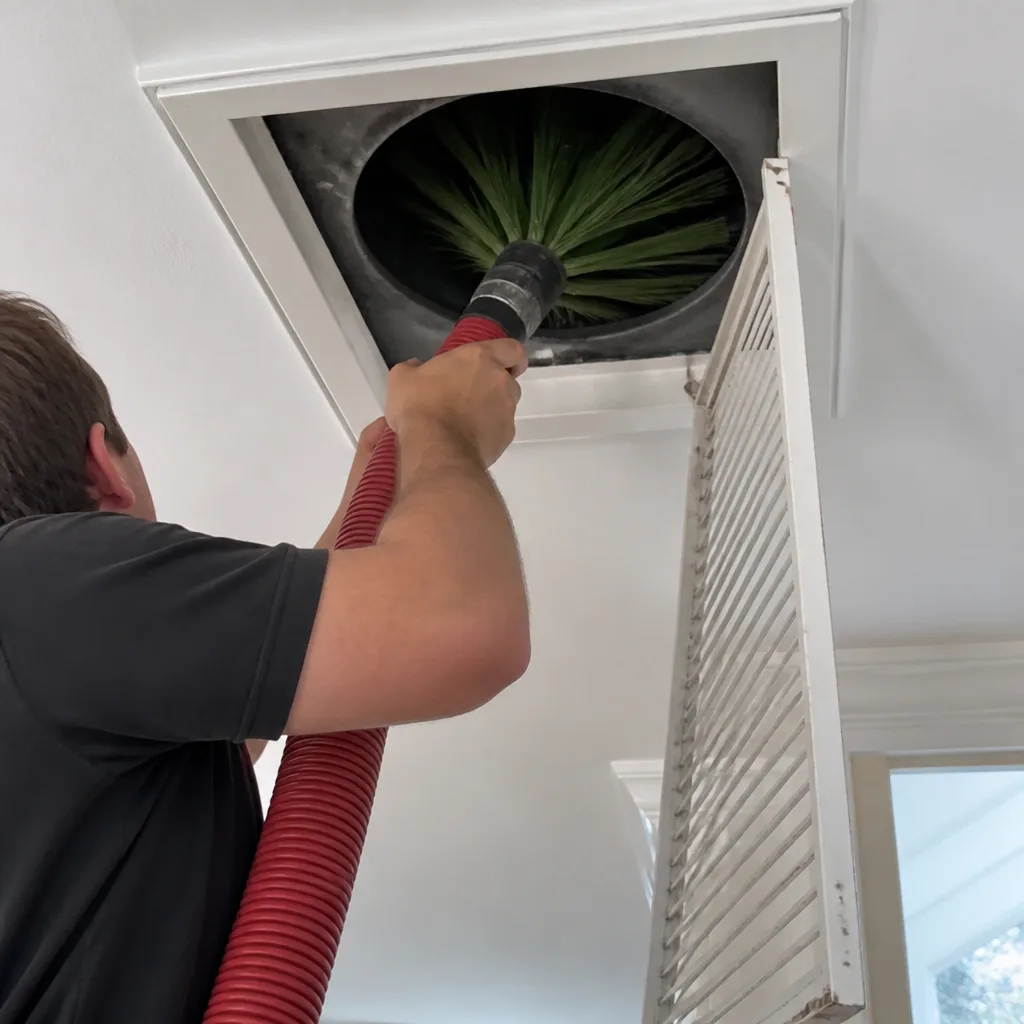
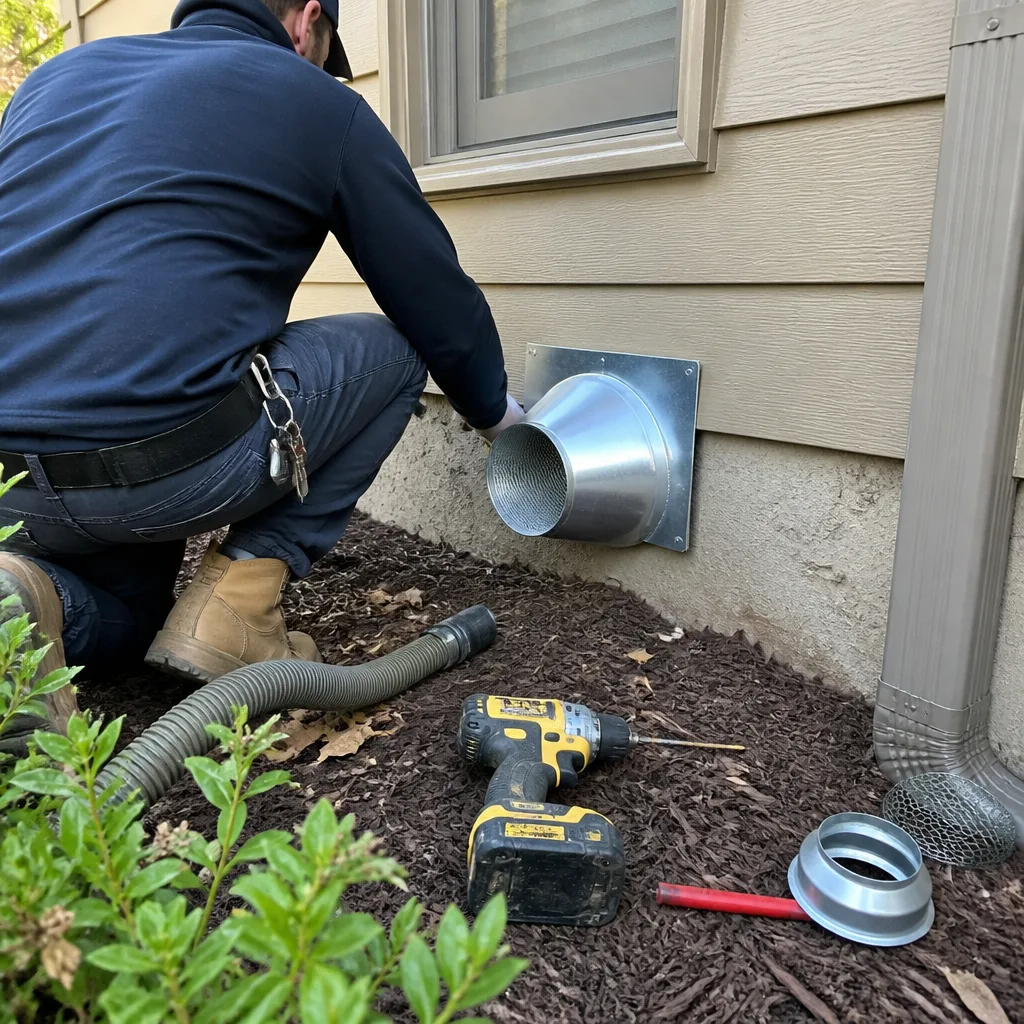
Whole-system duct and dryer vent check with before-and-after photos - you see exactly what came out of your vents
That "$99 whole-house special" is a bait ad - the real number appears once they are in your hallway, or the "clean" is a shop-vac at the register. We photograph the inside of your ducts before and after instead.
Seasonal Air Duct Cleaning Care for Alpharetta: Year-Round Homeowner’s Guide
Most homeowners schedule their duct cleaning when it’s convenient, not when Alpharetta’s climate is actually putting the most strain on their system. That timing mismatch is why a family can pay for a full cleaning in October and still find yellow pollen dust on the return vents by mid-May. This guide walks through what each season genuinely does to the ductwork in Alpharetta homes, which months matter most, and how to build a care calendar that matches the weather outside your windows rather than the weather inside your schedule.
Styles & brands we work with
Quick Answer
In Alpharetta, the highest-impact air duct cleaning window is late April through early June, when pine and hardwood pollen have fully loaded the return-air system after spring. A second targeted pass in late September or early October clears the summer’s humidity-driven buildup and readies the system for the heating cycle. Rather than one generic annual cleaning, the smart pattern for most Alpharetta homes is a full cleaning each spring plus a lighter fall inspection focused on intake vents, filter fit, and any moisture spots that summer left behind.
Table of Contents
- Spring Pollen and the April-May Load Cycle
- Summer Humidity: What Happens Inside Ducts Above 60%
- Fall Debris and Outdoor Intake Vents: Pre-Heating Checks
- Winter Heating Cycles and What They Dislodge
- Adjusting the Calendar for Kids, Pets, and Allergies
- How to Tell Your Ducts Need Attention Between Cleanings
- Common Mistakes to Avoid
- When to Call a Professional
- Frequently Asked Questions
- The Bottom Line
Spring Pollen and the April-May Load Cycle
Alpharetta sits in a band of Georgia where pine pollen, oak pollen, and sweetgum pollen release on overlapping schedules. The pine pollen is the most visible, blanketing cars and porches in a fine yellow film from late March through mid-April. But the more consequential month for your ductwork is the one that follows. By late April, the heaviest pollen has settled out of the air and into your home, drawn through return vents every time the air handler runs. That fine particulate doesn’t just sit on the vent cover. It moves through the return duct, past the filter, and into the coil and supply side of the system.
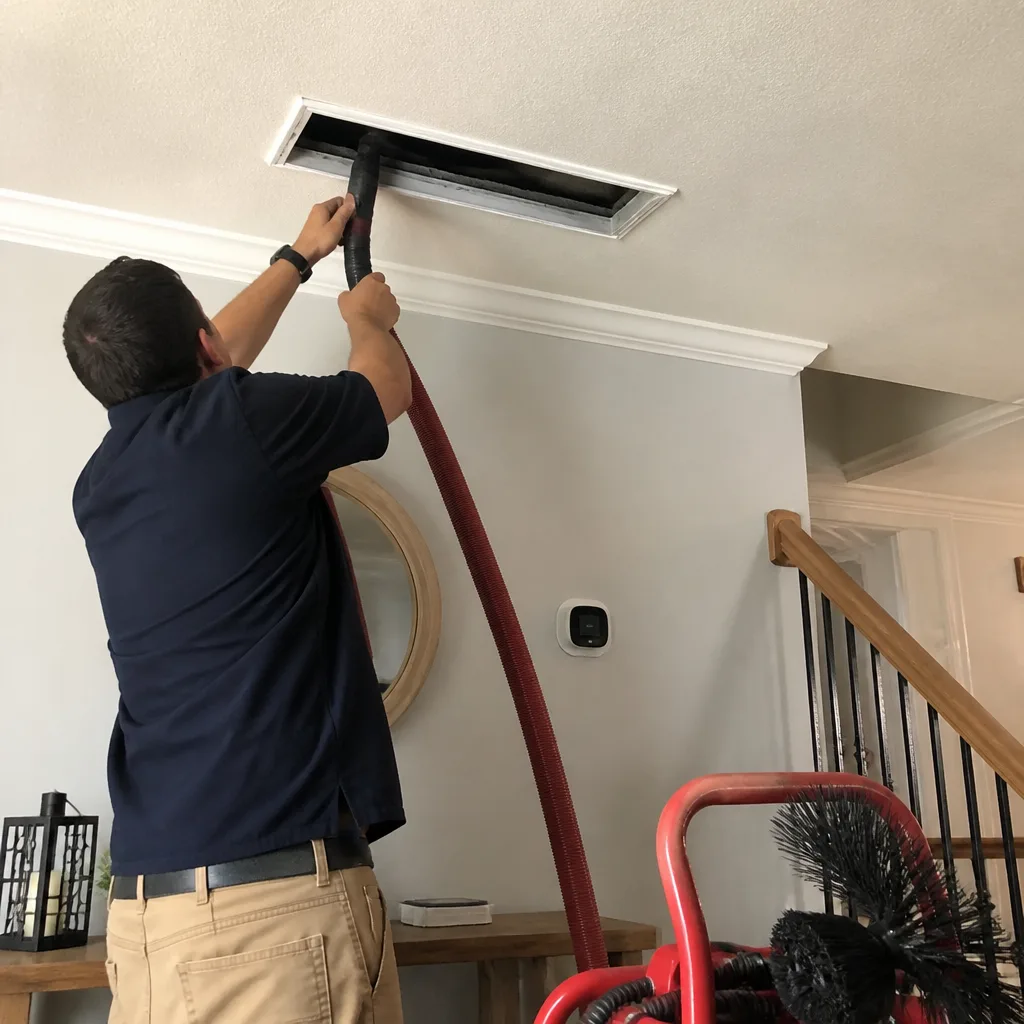
We routinely see homes in Alpharetta where the filter is clean and the vent covers are clean, but a camera inspection of the return plenum shows a half-inch of packed yellow-green dust. That’s why the spring cleaning window matters so specifically. A March cleaning happens before the worst of the pollen. An August cleaning happens after the pollen has had four months to settle and cake. Late April through May is when the accumulation is at its peak and the material is still loose enough to remove thoroughly with a professional vacuum system like the Rotobrush and Nikro equipment we run.
If your home backs up to one of Alpharetta’s many wooded lots, especially around neighborhoods like Kimball Bridge or Waters Mill, the pollen load is measurably heavier. Homes surrounded by mature pines and hardwoods see two to three times the particulate intake of homes on open cul-de-sacs. The cleaning itself is the same, but the calendar urgency shifts earlier: late April rather than late May.
Spring Maintenance Checklist
- Replace the return-air filter before pollen season starts, not after. A fresh MERV 8 or higher filter catches more load from day one.
- Check outdoor intake vents for pollen crusting. A soft brush removes it without pushing material inward.
- Schedule the full duct cleaning for late April or early May. This is the single most valuable cleaning window in Alpharetta.
- Wipe register covers weekly during peak pollen weeks. That’s a two-minute task that prevents surface dust from being drawn back through the system.
- Watch for a fine yellow haze on furniture near returns. It signals the filter is saturated or the return plenum is overloaded.
Getting the spring timing right is the difference between cleaning out what Alpharetta’s trees actually produced and cleaning out only what happened to still be there on an arbitrary date. More on the service itself is covered in our Air Duct Cleaning in Alpharetta page, where we walk through pricing, equipment, and what the job includes.
Summer Humidity: What Happens Inside Ducts Above 60%
Alpharetta summers regularly push outdoor relative humidity past 70%. Inside the house, the air conditioner pulls a lot of that moisture out of the living space. But inside the ductwork, especially in unconditioned attics and crawl spaces, the story is different. When a duct system runs cooler than the humid air around it, condensation forms. Repeated cycles of condensation and drying create the exact conditions where dust, pollen, and pet dander inside ducts begin to bind together rather than stay loose and removable.
The practical effect is that a duct system cleaned in May and left alone until October will often show more organic-looking buildup in September than it did going into summer, even with a clean filter. The moisture doesn’t create the material. It transforms what was already there into something heavier and stickier. That’s why the fall pass is worth doing. Not because the ducts are necessarily dirty enough to justify a full-price cleaning every year, but because a summer of Alpharetta humidity changes the texture and location of what’s inside.
Homes with basement or crawlspace ducting are the most affected. Alpharetta’s clay-rich soil holds moisture, and crawlspace humidity runs 10 to 15 points above ambient. If your ducts run through a vented crawlspace, the air inside them is already starting from a higher moisture baseline before the AC even kicks on. Sealing the crawlspace is a separate job, but knowing it affects the ducts helps you read the signs correctly.
What to Check Each Summer
- Look for damp spots or rust on visible duct connections in the attic or crawlspace.
- Check the condensate drain line. A clogged line backs up into the system and adds moisture directly into the airstream.
- Note any new musty odor when the system first kicks on. It should fade within a minute or two, not linger through the cycle.
- Run exhaust fans in bathrooms and the kitchen. Less indoor humidity means less condensation risk inside the ducts.
- If you have a whole-home dehumidifier, like those from Aprilaire, confirm it’s set to hold the house at or below 55% relative humidity.
The summer season also marks a good moment to consider whether your filter is doing enough. We see lots of homes running one-inch fiberglass filters that catch almost nothing and do nothing for moisture management. A thicker media filter in a properly sized cabinet changes the game during Alpharetta’s humid months, and brands like Honeywell and Aprilaire make good options.
Fall Debris and Outdoor Intake Vents: Pre-Heating Checks
Sometime in late September, the air in Alpharetta shifts. The mornings get crisp, the windows come open at night, and the heating system starts cycling for the first time since spring. The ducts that carried cool air for five months now carry warm air, and that temperature change does something subtle: it loosens material that had adhered to duct walls during the humid summer. That material becomes airborne dust the first week the heat runs.
More importantly, fall is when outdoor intake vents collect the most debris. Leaves, pine straw, bark chips, and the shells of hickory and oak nuts pile against the exterior vent grilles, especially in Alpharetta neighborhoods with heavy tree cover like White Columns or the smaller lots around downtown where leaves accumulate fast. A blocked intake vent forces the system to work harder and draws air through whatever gaps it can find, pulling in more ambient dust and unconditioned air. That’s a direct path to dirtier ducts and higher heating bills.
The pre-heating check takes about fifteen minutes. Walk the perimeter of the house. Locate every outdoor intake and exhaust vent. Remove debris that touches the grille. If the grille itself is bent or the mesh is torn, replace it. Rodents and larger insects use fall as their own moving season, and a broken vent grille in October is how they get into ductwork that’s been sealed all summer.
Fall Duct Readiness in Five Steps
- Clear outdoor vents of leaves, pine straw, and anything within six inches of the grille.
- Replace the return filter before the first sustained heating week.
- Run the system for 10 minutes with windows open to flush whatever summer left loosened in the ducts.
- Check vents you can access for visible dust that resembles dryer lint. If it’s more than a light film, a professional pass is cheaper now than midwinter.
- Confirm the heating shutoff switch works and the system powers through a full cycle without new smells.
We remind our Alpharetta customers of this every year: the duct cleaning from May is not the same as a heating-season inspection in October. The first treats what spring loaded into the system. The second prep matters just as much, but the task is lighter and more surgical. If the fall check turns up more than expected, a call to Mortons Air Duct Alpharetta home gets an actual person on the phone, and we’ll tell you honestly whether a full pass is warranted or whether the system is fine until spring.
Winter Heating Cycles and What They Dislodge
By the time Alpharetta gets into its January and February heating rhythm, most people have stopped thinking about ductwork. But the winter months are when you learn the most about what’s actually inside the system. Heated air is drier and moves faster through the ducts than cooled air. That dry, fast-moving air scours light material off duct walls and carries it into the living space. In practical terms, that means a system that produced little visible dust in July can start dusting the furniture heavily by February, even with a clean filter.
The dust itself tells a story. Dark gray or black dust around supply registers during heating season usually means years of accumulated material is being dislodged from the ducts. Light tan or yellowish dust is often drywall or attic insulation drawn in through small return leaks. Whitish fluffy dust is typically fiberglass or dust from a degrading filter. Being able to describe the dust color and timing to a technician can shorten the diagnosis significantly.
One specific pattern we see in Alpharetta homes every winter: a single room stays noticeably dustier than the rest of the house. That almost always points to a supply-side duct leak in that branch line, where heated air pushes through a gap and into the wall cavity or attic, pulling insulation and fine dust back with it. The fix is a sealed connection, not another cleaning.
What Winter Dust Patterns Mean
- Dust on furniture within 2 feet of a supply vent: material being blown out of the duct itself, not rising from the floor.
- One room dustier than all others: typically a supply branch leak in that run, not general duct dirt.
- Whole-house dust within days of a filter change: the return side is pulling unfiltered air from somewhere outside the duct system.
- Dust that reappears hours after cleaning: blower fan bearings or a degrading squirrel cage, not duct buildup.
- Fine white film on dark fabrics: insulation fibers or filter media shedding, and both need a specific fix, not a general cleaning.
Winter is not the best season for a full duct cleaning in Alpharetta. Access to attic systems is cold, the job takes longer, and the material being dislodged is better caught in spring. But winter is the best season for diagnosis. What you see between December and February tells you exactly what the spring cleaning needs to address. If you want a second set of eyes, we’re always happy to compare notes over the phone. That’s part of why our Dryer Vent Cleaning in Alpharetta page recommends pairing the dryer vent inspection with the spring duct visit, because the two systems share a lot of the same seasonal timing in Alpharetta homes.
Adjusting the Calendar for Kids, Pets, and Allergies
The seasonal calendar above fits an average Alpharetta household. But families with kids under five, pets that shed heavily, or someone with a diagnosed allergy need to shift it earlier and check more often. The logic is simple: these homes put more load into the system every day, and the thresholds for what counts as clean change when a toddler spends most of their time on the carpet near a return vent.
For pet households, the main variable is hair and dander. Dogs and cats shed on their own schedule, but in Atlanta’s climate the shedding often ramps in spring and fall when the temperature shifts. That means the May cleaning and the October inspection matter more. A dog that sheds undercoat in October can load the return plenum within weeks. Between cleanings, upgrade the return filter more often rather than less often, and consider a filter with a pet-focused media layer.
For families with a newborn, the quiet timing matters. Air duct cleaning is not a quiet job. The equipment runs in the room, and that’s a real consideration when a baby is napping. The practical fix is scheduling the cleaning on a day when the baby can be out of the house, or requesting the service for a time when the family’s routine allows the most flexibility. Our technicians work with nap schedules when they can. The 365-Day Done Right Promise includes working around the household’s actual rhythm, not the other way around.
The spring load is still the biggest driver for allergy families in Alpharetta, but the calendar shifts slightly: consider a cleaning in early May rather than late May if you have a diagnosed allergy in the home, because the earlier removal of pollen-bearing material shortens the exposure window. If you have a child with seasonal allergies, it may also be worth adding a mid-summer light pass or at least a mid-summer vent-cover wipe down. The goal is to keep the system from releasing April’s captured pollen back into the house in July.
Quick Reference by Household Type
- Standard household: full spring cleaning in late April-May, fall intake check in October, seasonal filter changes.
- Pet household: same calendar, plus a second full cleaning only in years when shedding is heavy; change the return filter every 60 rather than 90 days.
- Allergy household: spring cleaning in early May, a light mid-summer pass, and a confirmed clean return plenum before autumn leaf mold season.
- Newborn household: full cleaning before baby comes home if it hasn’t been done in two years; then the standard calendar with scheduling consideration for quiet times.
These adjustments are small, but they track the three variables that actually control duct loading in Alpharetta: how much material comes into the house, how fast it gets replaced, and how sensitive the occupants are to what remains. The equipment brands we use, including Guardsman and Abatement Technologies, give us the cleaning depth needed for the heavier loads these households bring.
How to Tell Your Ducts Need Attention Between Cleanings
Even with a good seasonal calendar, things change. A filter gets forgotten. A leak develops. A stretch of dry weather or a renovation project loads the system unexpectedly. The signs to watch for between cleanings are tactile and visual rather than olfactory. Odor alone is unreliable because musty smells in an Alpharetta summer often come from the crawlspace or a clogged condensate drain rather than the ducts themselves. These are the three signals worth paying attention to:
Visible dust on the supply register fins when the system is off. A light film is normal. A thick coat that appears within two weeks of wiping is not. Dust accumulating that fast means the system is either returning unfiltered air from somewhere it shouldn’t or blowing accumulated material out of the ducts.
Gray or black streaks along the baseboards near supply vents. That pattern means the airflow is depositing dust as it enters the room, and the material is building up at the wall boundary. It’s a reliable sign the ducts are holding more material than the filter is catching.
Airflow that feels noticeably weaker in one room than in the others, regardless of register position. Pressure imbalance across rooms often points to a partial blockage in a duct branch, and that blockage is rarely a nice clean wad of dust. It’s usually a dense mat of pet hair, old filter media, or early-stage organic growth that binds other material together.
Common Mistakes to Avoid
- Cleaning on the same date every year without checking the pollen calendar. An early March cleaning in Alpharetta misses the heaviest pollen load by four to six weeks. Timing the cleaning to the pollen cycle matters more than the calendar consistency.
- Replacing the filter after pollen season instead of before. A fresh filter in late February catches far more material than a fresh filter in late April. Start the season with a clean filter, not end it with one.
- Ignoring the outdoor intake vents until the system complains. Fall debris, especially in tree-heavy neighborhoods like those near the Big Creek Greenway, blocks intakes and forces the system to pull from worse air paths. The intake check is the highest-value fall task.
- Assuming a clean filter means clean ducts. The filter sits between the return side and the coil. Everything that settles in the return plenum before reaching the filter can be three or four years old. A clean filter is a start, not a conclusion.
- Waiting for a smell to act. By the time a musty odor is consistent enough to notice, the underlying moisture condition has usually been present for months. Odor is a late signal, not an early warning.
- Cleaning only the supply side. In Alpharetta homes, the return side is usually the dirtier of the two, because it carries raw house air containing pet hair, dust, and outdoor particulate. A cleaning that only pushes from the supply side leaves the worst material in place.
- Treating every season the same. Spring cleaning removes pollen. Fall inspection catches moisture damage and intake blockages. Winter is for diagnosis. Collapsing them into a single “annual cleaning” means at least one of these jobs is being skipped.
When to Call a Professional
A seasonal calendar gets you most of the way. But there are points where the right move is to have a professional on the phone before the season turns. Call if you see gray or black dust around supply registers within days of a filter change. Call if one room stays dustier than the rest no matter how often it gets wiped. Call if you open an attic access in fall and smell something damp or organic near the duct connections. And call if the system has run for more than two years in a pet household without a professional cleaning.
Mortons Air Duct Alpharetta offers free estimates in Alpharetta. We’ll tell you over the phone whether a full cleaning is the right move or whether a filter upgrade or a duct sealing job gets you further. The number is (762) 263-0408, and a real person answers. No voicemail maze.
Frequently Asked Questions
Most homes need a full cleaning every two to three years, but the seasonal timing matters more than the interval. In Alpharetta, the most useful cleaning is in late April or May, when spring pollen has fully loaded the system. Allergy households and pet-heavy homes may benefit from a second light pass in early fall. A cleaning that falls outside the spring window is still better than none, but it leaves material in the ducts that the next pollen season will simply add to.
The typical reason is scope: a low quote often covers a fraction of the system, a single blower pass with a shop vac, or a per-vent pricing model that ends up costing more than the honest whole-system quote once the job is underway. Duct cleaning prices in Alpharetta generally fall between $350 and $700 for a full system, depending on square footage and number of returns. Anything far below that range is almost always priced per vent, and the final invoice surprises people. We give one written price for the entire system before work starts. Call (762) 263-0408 for a free estimate and you’ll know the number before anyone gets in the van.
Ask for before-and-after photos of the inside of the return plenum and the main supply trunk. A thorough cleaning produces a visible difference in those photographs. We hand every Alpharetta customer a set of those photos along with a photo of the cleaned-up work area before our crew leaves. If a company can’t or won’t provide photos of the inside of the ducts, treat that as a warning sign.
Yes, with a real caveat: it helps most when timed to the pollen cycle. Alpharetta’s late-April through May pollen season deposits more allergenic material into ductwork than any other period. Cleaning in early May removes that material before it has months to break down and recirculate through summer air conditioning. Cleaning in July or August helps less, because the material has already been blowing back into the living space for weeks.
Air duct cleaning addresses the system that heats and cools your home: return ducts, supply ducts, the plenum, and the coil area. Dryer vent cleaning addresses the exhaust line that carries lint and moisture from the dryer to the outside. They’re separate systems, but they share timing in Alpharetta: both respond to the same seasonal changes, and it’s often practical to have both done in the spring. You can read more about the dryer side on our Dryer Vent Cleaning in Alpharetta page.
You can do the surface work: wiping register covers, replacing filters, and clearing outdoor intake vents. But reaching the return plenum and supply trunks requires professional equipment and access. The duct runs often pass through attics and crawlspaces with tight clearances, and the material inside compacts under heat and humidity into something a shop vac won’t move. The systems we run from Rotobrush and Nikro are built for exactly that compacted material. Doing the visible maintenance yourself is useful. The internal cleaning is a different job.
The Bottom Line
Alpharetta’s climate doesn’t spread its duct stress evenly across the year. Spring hammers the system with pollen, summer binds that pollen to duct walls with humidity, fall blocks the intakes and loosens the buildup, and winter blows that loosened material back into the rooms where your family spends the most time. The fix isn’t a better annual schedule. It’s a seasonal calendar that understands each one of those loads and responds to it with the right task at the right time. Do the spring full clean, the fall intake check, the winter diagnosis, and the between-season filter and vent maintenance. Skip one, and the system carries that load into the next season. Mortons Air Duct Alpharetta has been helping Alpharetta families keep that cycle balanced since 2005. Call (762) 263-0408 for the free estimate, and we’ll give you a written price before any work starts.
Written by Paul Adeyemi, Owner at Mortons Air Duct Alpharetta, serving Alpharetta since 2005.
See the difference
 Before
 After
After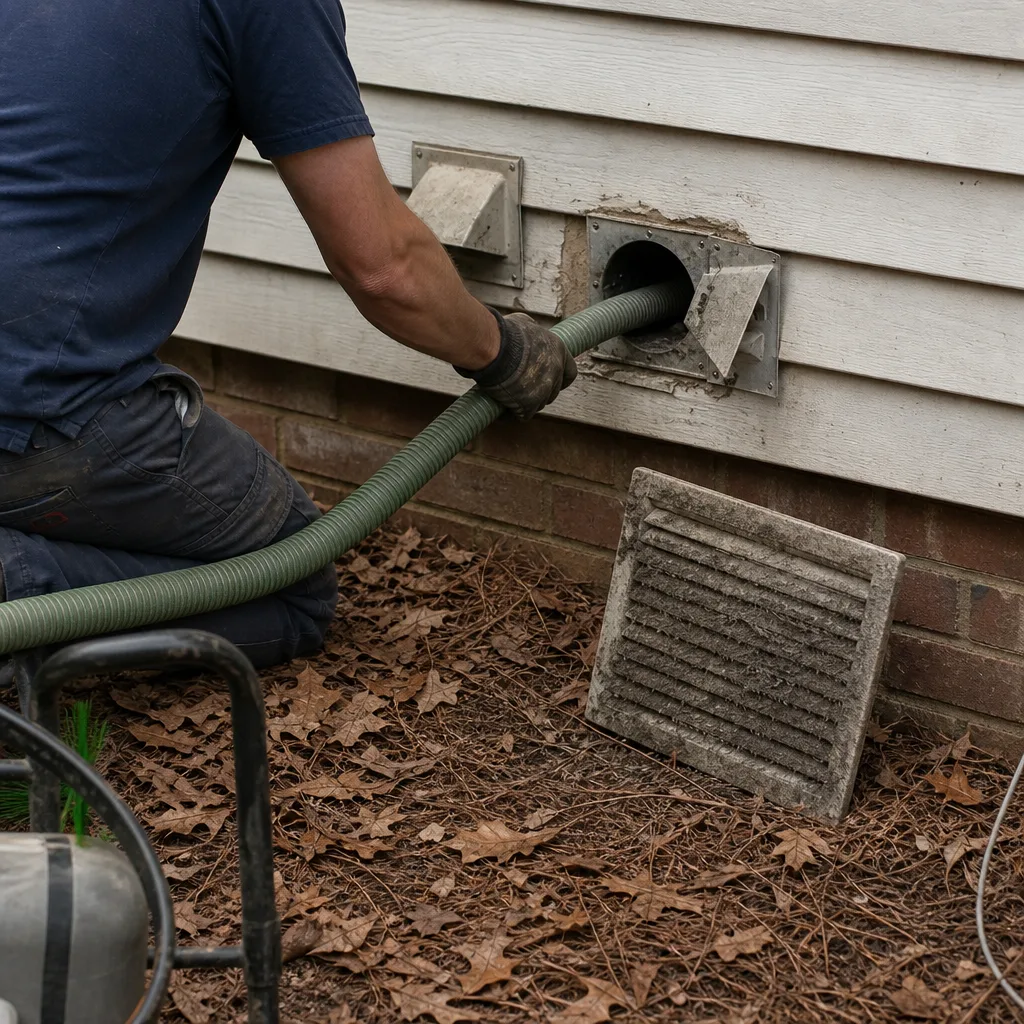 Before
 After
After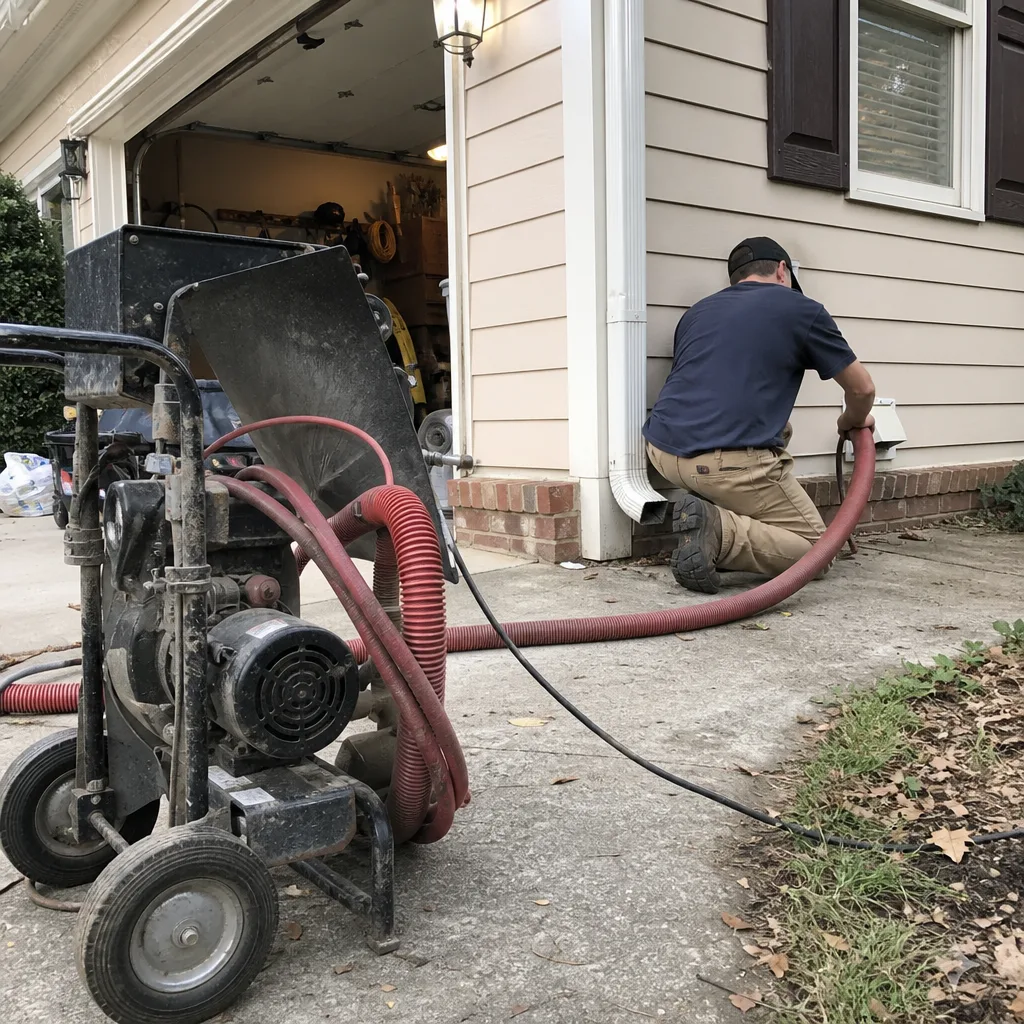 Before
 After
After