
Last updated October 15, 2026
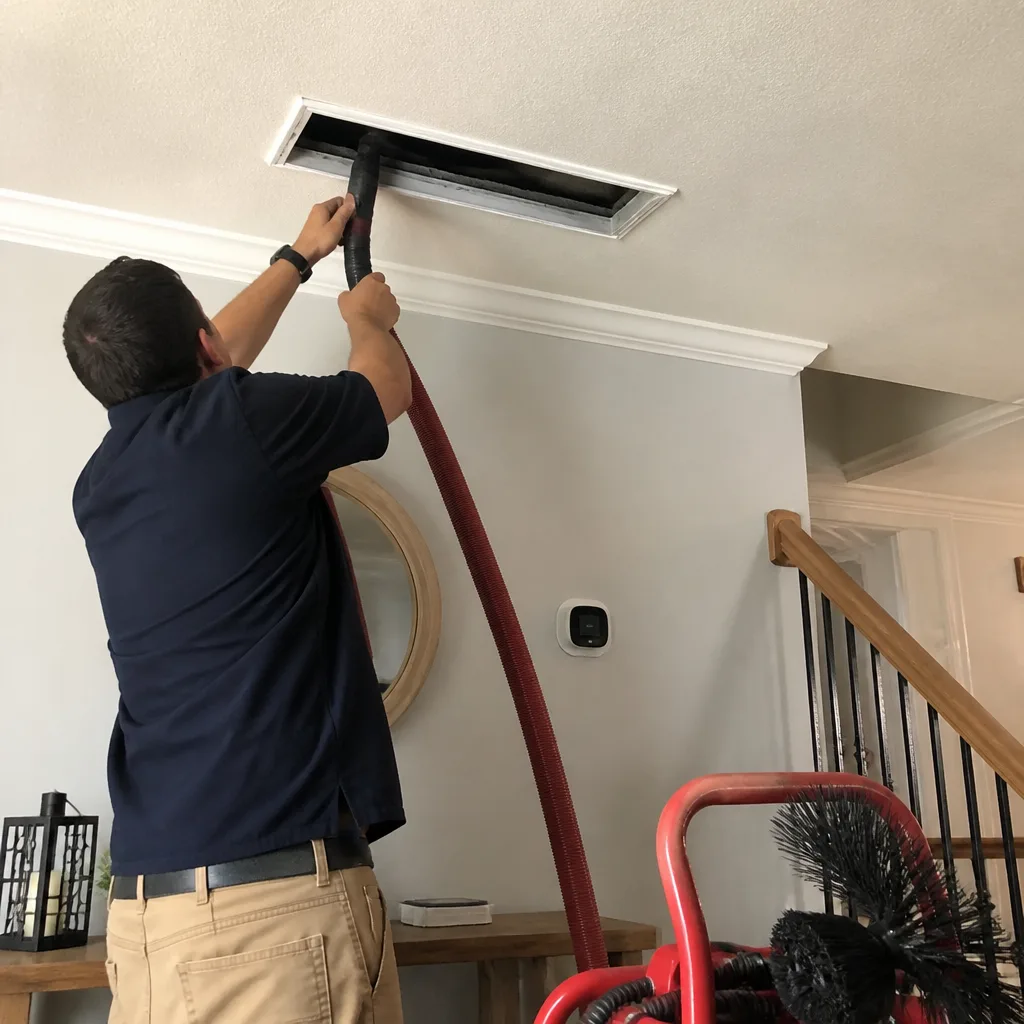
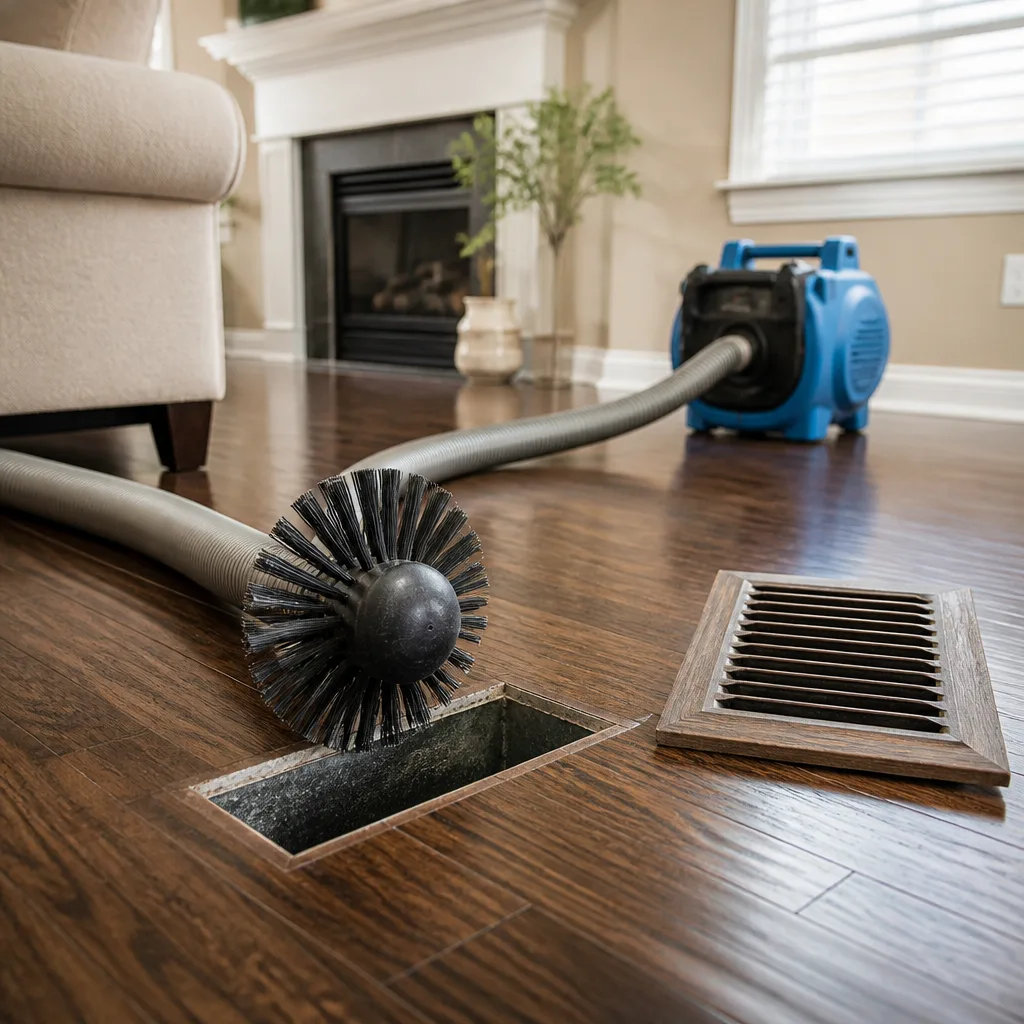 Whole-home duct cleaning
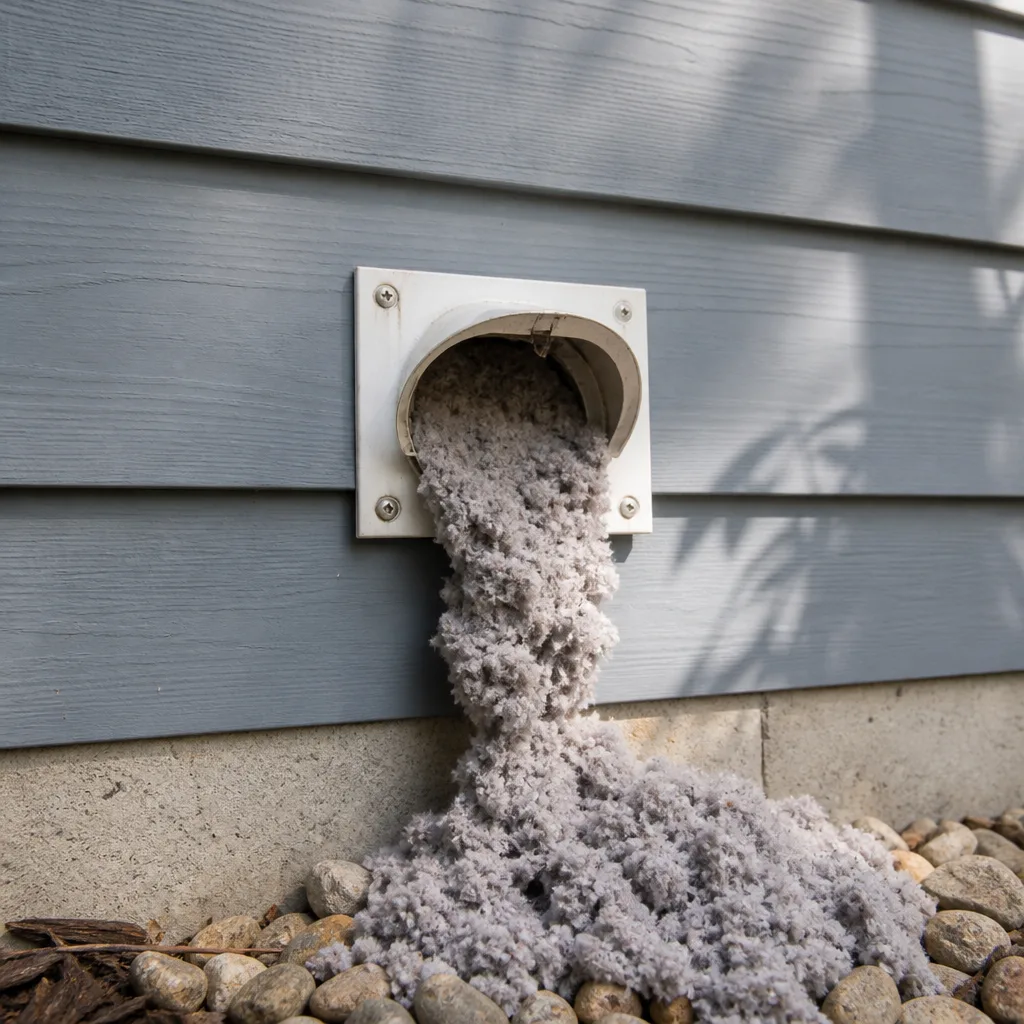 Dryer vent cleaning
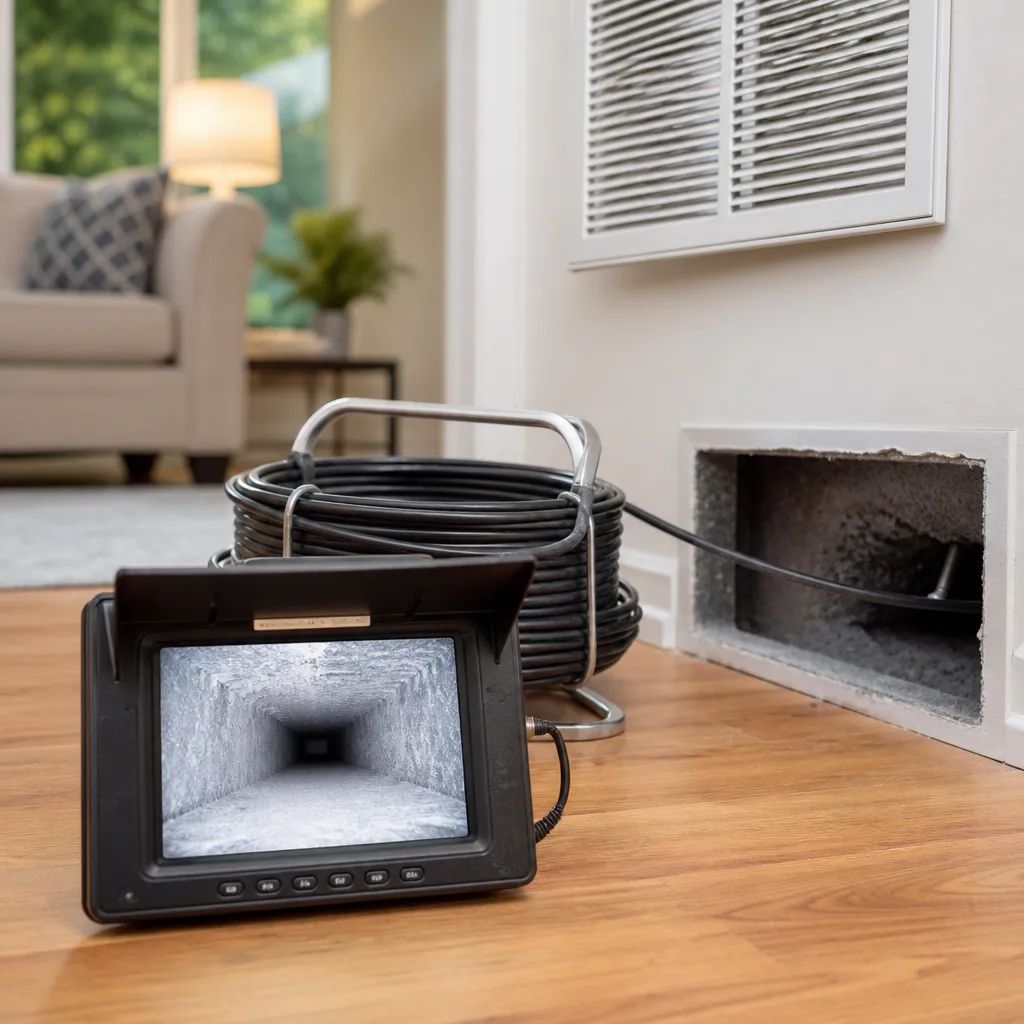 Camera inspection
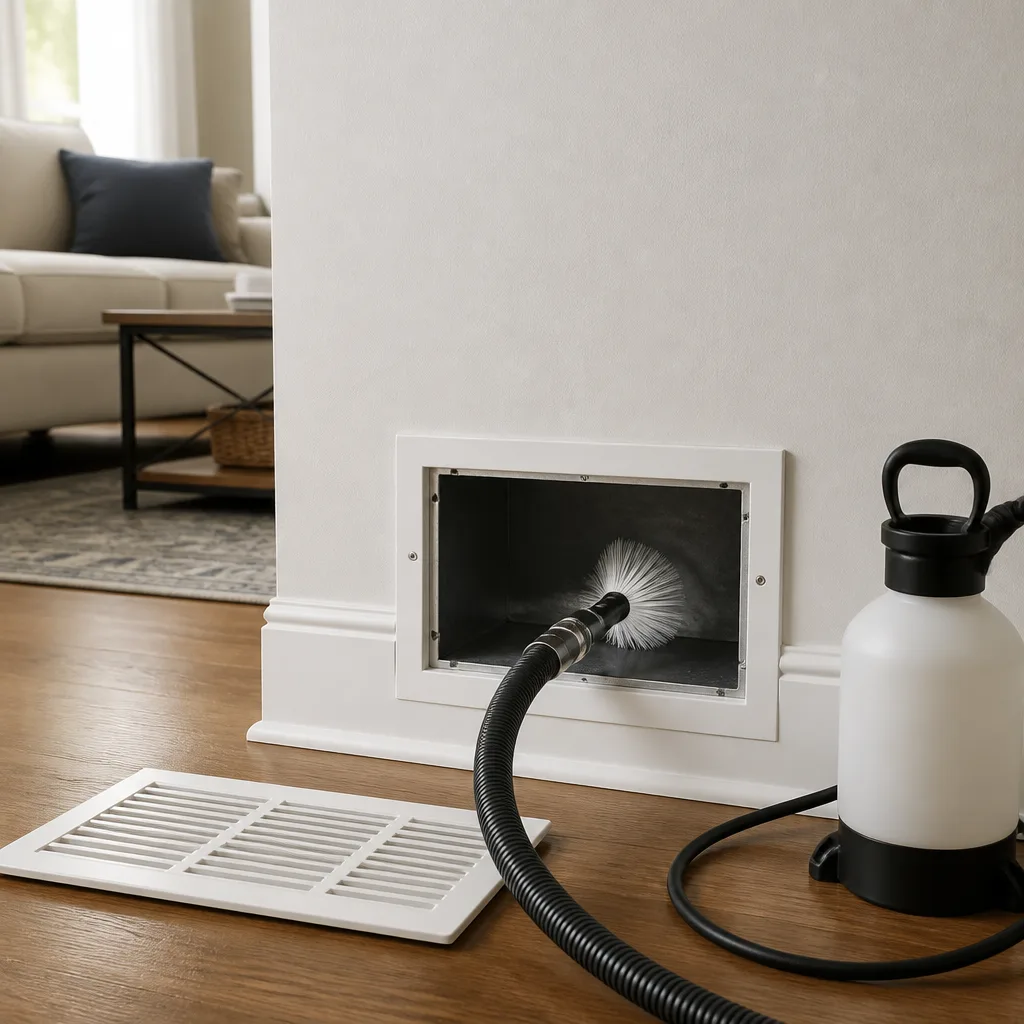 Sanitizing & deodorizing
Whole-system duct and dryer vent check with before-and-after photos - you see exactly what came out of your vents
That "$99 whole-house special" is a bait ad - the real number appears once they are in your hallway, or the "clean" is a shop-vac at the register. We photograph the inside of your ducts before and after instead.
Air Duct Cleaning Warning Signs: A Alpharetta Homeowner’s Reference Guide
Here’s a statistic that surprises most Alpharetta homeowners: the majority of air duct cleaning jobs we’re called out to inspect don’t actually need cleaning. The vent covers look dusty, the air feels stale, and a quick internet search confirms every “symptom” on the list. But surface dust on a register is almost never a duct problem. It’s a filter problem, or a return-air balance issue, or simply the normal accumulation any home gets within six months. Our Complete Guide to Air Duct Cleaning in Alpharetta exists because honest information about duct cleaning is harder to find than it should be. You’ll learn which warning signs are real, which ones are sales bait, and how to tell the difference before anyone parks a van in your driveway. If you live in Alpharetta, the specific construction of our homes and our Georgia humidity make this knowledge worth more than most people realize.
Styles & brands we work with
Quick Answer
The legitimate warning signs that your Alpharetta home’s air ducts need cleaning are: visible dust or debris blowing out of supply registers, evidence of rodent or insect activity inside the ductwork, a musty odor that persists after filter changes, and heavy post-renovation dust that has coated the inside of your supply lines. Surface dust on vent covers, seasonal allergy symptoms, and higher energy bills are not reliable indicators on their own. If you can see debris inside the ducts when you remove a register, that’s the sign to act on.
Table of Contents
- Real Warning Signs vs. Sales Tactics: What Actually Matters
- How to Inspect Your Own Vents and Air Handler in 10 Minutes
- What Different Smells From Your Ducts Actually Mean
- Why Some Alpharetta Homes Show Warning Signs Sooner
- How to Describe What You’re Seeing to Get an Honest Assessment
- What Air Duct Cleaning Actually Costs in Alpharetta
- Common Mistakes to Avoid
- When to Call a Professional
- Frequently Asked Questions
- The Bottom Line
Real Warning Signs vs. Sales Tactics: What Actually Matters
The air duct cleaning industry has a credibility problem, and Alpharetta homeowners are right to be skeptical. The classic playbook looks like this: a company runs a $49 whole-house special, the tech arrives with a camera, and within twenty minutes you’re looking at a photo of dust that “requires” an $800 remediation. The dust is real. What’s missing is context. Dust exists in every duct system in every home in America. That’s what filters are for. The question is never is there dust? It’s is there enough dust, in the wrong places, that it’s affecting how your system runs?
Here’s the honest breakdown. These are the warning signs that genuinely justify air duct cleaning in a Alpharetta home:
- Visible debris blowing from supply registers during normal operation. This is the single most reliable indicator. If you see dust particles, pet hair, or construction debris actively leaving the vents when the system runs, that material is inside the ductwork and circulating through your living space. Surface dust that sits on the vent cover doesn’t count. The debris has to be moving.
- Evidence of pests in the ductwork. Rodent droppings, insect casings, nesting material, or the unmistakable odor of mice in the vents. Georgia’s warm climate means pests are a year-round reality here, and ductwork in crawl spaces or attics makes a convenient highway. This is not a cleaning recommendation. It’s a health and sanitation issue that cleaning directly addresses.
- Post-renovation construction dust inside the supply lines. If you’ve had drywall work, flooring replacement, or any renovation that produced fine dust while the HVAC system was running, that dust has been pulled into the return side and pushed through the entire system. The supply ducts are now coated. This is the one scenario where even a skeptical homeowner should agree the ducts need cleaning.
- A musty or mildew odor that persists after filter replacement. If you change the filter, run the system for a few days, and the smell doesn’t improve, the source may be organic growth on the coil or in the duct lining. Alpharetta’s summer humidity makes this more common than homeowners expect, especially in older systems.
Now, the signs that get sold as duct problems but usually aren’t:
- Dusty vent covers. Dust settles on register covers because air passes through them and particles drop out. This is normal operation. It tells you the filter is doing its job upstream, not that the ducts are failing downstream. Clean the register and check the filter before calling anyone.
- Allergy flare-ups. Allergies have too many variables to be a diagnostic tool for duct cleanliness. Pollen counts in Alpharetta are some of the highest in the Southeast during spring. Your HVAC system circulates outdoor air that enters through windows, doors, and leakage points. Allergies alone don’t prove a duct problem.
- Higher energy bills. Dirty ducts restrict airflow, which can reduce efficiency, but so does a dirty filter, a failing capacitor, low refrigerant, or a dozen other mechanical issues. A duct cleaning will not fix a compressor on its way out. Have the system checked before assuming the ducts are the culprit.
- “It’s been X years since the last cleaning.” Time alone is not a trigger. A well-sealed home with a good filter and no pests can go a decade without needing service. A home after a major renovation might need it in month one. The interval matters far less than the conditions inside the system.
How to Inspect Your Own Vents and Air Handler in 10 Minutes
Before you call any air duct cleaning company in Alpharetta, do this inspection yourself - or read our DIY vs Professional Air Duct Cleaning guide to decide which path fits you. It takes ten minutes, requires a screwdriver and a flashlight, and it puts you in a position to evaluate any technician’s claims from a place of knowledge. Here’s the step-by-step process we walk our own customers through when they call with questions:
- Turn the HVAC system off at the thermostat. You don’t want air moving while you’re inspecting. This also prevents any loose debris from being blown into your face when you remove a register.
- Remove two or three supply registers in different rooms. Choose one in the room nearest the air handler and one in the farthest room. The farthest register shows what’s accumulating at the end of the longest duct run, where airflow is weakest and particles settle most.
- Shine a flashlight into the duct opening. What you’re looking for is depth of dust. A thin, uniform film of dust is normal and expected in any system. What’s not normal is visible debris: clumps of dust, pet hair accumulation, drywall particles, or anything that looks like it has thickness to it. Run a finger along the inside of the duct. If you can write your name in the dust, that’s a significant buildup.
- Check the return air side. Remove the return grille (usually the larger vent cover, often in a hallway or central area). Look at the filter first. If it’s caked and gray, replace it before doing anything else. Then check the duct cavity behind the filter. The return side carries unfiltered air from your home, so it accumulates dust faster than the supply side. Heavy buildup here affects system airflow and can make the blower work harder.
- Locate the air handler and inspect what’s visible. In most Alpharetta homes, the air handler is in the attic, a closet, or the basement. Remove the access panel if you’re comfortable doing so (if you’re not, skip this step and ask a technician to do it during an assessment). Look at the blower motor housing and the coil area. If you see gray, fuzzy accumulation on the coil or the blower fins, that’s a sign the system is moving dirty air. This is also where organic growth shows up, because the coil is cold and wet during cooling season.
- Photograph everything with your phone. Even blurry photos help. When a technician shows you a camera feed and says “here’s what we found,” you’ll be able to compare it against what you already saw. If their images show dramatically more debris than your inspection found, ask where specifically that buildup is located and why you couldn’t see it from the register opening.
What Different Smells From Your Ducts Actually Mean
Smell is one of the most useful diagnostic tools a homeowner has, but only if you know what different odors indicate. In our experience serving Alpharetta homes, most odor complaints fall into four categories. Three of them are fixable with cleaning. One of them is not a duct problem at all.
The “dirty sock” smell. This is the classic sign of organic growth on the evaporator coil or in the duct lining. It’s often described as a damp, gym-bag odor that gets stronger when the system first kicks on. In Alpharetta’s humid summers, the coil stays wet for long periods, and if dust is present, that combination encourages biological growth. Duct cleaning addresses the debris that feeds the growth, but the coil itself may need professional treatment. This smell is a legitimate reason to call.
The musty, dusty smell. This is what accumulated dust smells like when it gets damp, and it’s common after a period of disuse. In Alpharetta, we hear about it most in fall, when homeowners switch from cooling to heating for the first time after weeks of mild weather. The heat passing over dust that absorbed moisture from spring and summer produces that old-book smell. If it fades after a day or two of continuous operation, you’re probably fine. If it persists, the dust load inside the ducts is substantial enough to retain moisture, and that’s a cleaning trigger.
The burning smell. When the furnace or heat strips first run after a long idle period, you’ll smell a hot, dusty, slightly acrid odor. This is normal. It’s the accumulated dust burning off the heat exchanger or heating elements. It should dissipate within fifteen to thirty minutes. If the smell continues much longer than that, or if it smells like burning plastic or electrical insulation, shut the system off and call an HVAC technician. That is a mechanical or electrical issue, not a duct cleaning issue, and cleaning the ducts will not resolve it.
The rodent smell. This is the one nobody wants to describe. It’s pungent, sweet in a horrible way, and it comes and goes with the airflow. It means something has died in the ductwork or in the space around the air handler. No amount of duct cleaning removes that odor completely until the source is removed. A good technician will find and remove the source, then clean the affected duct run. If a company promises odor removal without confirming whether a pest is present, get a second opinion.
Here’s the key distinction: if the smell is always present and rises and falls with the blower, it’s in the system. If the smell appears only in one room, or only after rain, or only in certain weather, the source may be outside the ducts entirely. A punctured crawl space vapor barrier, standing water near the foundation, or a wet drainage pan under the air handler can all produce odors that drift through the registers without the ducts themselves being dirty. Solving those problems takes a different remedy than cleaning, which is why an honest assessment comes first.
Why Some Alpharetta Homes Show Warning Signs Sooner
Alpharetta’s housing stock isn’t uniform, and the age and construction of your home plays a real role in how quickly your ductwork gets dirty and how urgently it needs attention. Homes built during the big suburban expansion of the 1990s and early 2000s often share a construction profile that matters here: flex duct, long supply runs, and return systems that pull from a central hallway rather than each room individually.
Flex duct ages differently than rigid metal duct. The plastic inner liner of flex duct degrades over time, especially in attics where summer temperatures can exceed 130 degrees in July and August. As the liner breaks down, it becomes tacky, and dust that would otherwise flow through now sticks. A home with twenty-year-old flex duct in a Alpharetta attic will show visible accumulation much sooner than a newer home with insulated metal trunk lines. If your home is in a neighborhood like Windward, Crabapple, or the older sections near downtown Alpharetta, your ducts may simply be at a stage of life where buildup happens faster.
Central returns mean less filtered air per room. Many builder-grade systems in Alpharetta were installed with a single large return in a central hallway rather than dedicated returns in each room. When bedroom doors close at night, the rooms become pressurized and airflow stalls. Dust settles in the supply ducts serving those rooms because air is moving sluggishly. We see this pattern constantly in homes across Alpharetta: master bedrooms with visible dust puffing from vents, while the hallway return looks fine. It’s not that the ducts are dirtier overall. It’s that certain stretches of ductwork act as settling chambers whenever doors close.
Renovation history matters more than age. Alpharetta has an active remodeling market, and many of the homes we visit have had kitchen remodels, bathroom updates, or basement finishes either recently or in the recent past. If contractors ran the HVAC system during drywall sanding, that fine gypsum dust is now distributed throughout the supply system. The dust from a single renovation can remain suspended in ducts for years, slowly releasing into living areas. A 15-year-old home with a three-year-old renovation often has dirtier ducts than a 30-year-old home that has never been touched.
Pets multiply the load. The Alpharetta area has one of the highest rates of pet ownership in metro Atlanta, and every dog or cat in the home sheds skin cells, hair, and dander that the HVAC system pulls into the return air stream. A quality filter catches a good portion of it, but fine dander passes through and coats the inside of the ducts. Homes with two or more large dogs may need cleaning two or three times more frequently than pet-free homes, not because anything is wrong with the system but because the material load is simply higher.
How to Describe What You’re Seeing to Get an Honest Assessment
The way you frame your observations to a technician often determines whether you get an honest recommendation or a high-pressure sales pitch. The duct cleaning industry knows that most homeowners can’t evaluate the inside of their own ducts, and that knowledge gap is where overpriced, unnecessary work happens. Here’s how to close that gap and signal from the first phone call that you’re not an easy upsell.
Lead with the specific observation, not the suspected diagnosis. Don’t say “I think my ducts need cleaning.” Say “I removed the register in the upstairs hallway and there’s visible dust accumulation about a quarter-inch thick on the inside of the duct.” If you’ve done the visual inspection from the section above, you have this information. A technician who hears a specific, measured observation realizes immediately they’re dealing with someone who has looked at the system, and the conversation shifts from convincing to assessing.
Ask for the inspection to be shown to you in real time. When a technician runs a camera into your ductwork, the monitor should be visible to you. Ask questions during the inspection. “Where is that relative to the register?” “Is that the supply side or the return side?” “Is that amount of dust typical for a system this age?” A technician who is comfortable explaining what they’re seeing is one who is giving you their honest read. A technician who angles the monitor away and presents only a final verdict is one to be cautious about.
Paul Adeyemi has a specific practice for this that we follow on every Alpharetta assessment: the camera feed is displayed on a tablet that the homeowner holds, not on a screen only the technician can see. If you’re evaluating other companies, ask upfront whether you’ll be able to watch the inspection. The answer tells you a lot.
Ask what the price includes and what it doesn’t. Before any work is scheduled, get a written number that covers the entire job: the number of ducts, the return side, the air handler, the main trunk lines. Ask specifically whether sanitizing or deodorizing is included or whether it’s a separate charge. Some companies quote a base cleaning price and then add per-item fees for each of these components. A good question to ask: “Is this number the total I’ll pay for the whole system?” In Alpharetta, you should get a yes followed by a number that doesn’t change when the crew arrives.
What Air Duct Cleaning Actually Costs in Alpharetta
Pricing for air duct cleaning in Alpharetta is all over the map, and the spread between the cheap advertised numbers and the honest full-system prices is where most of the industry’s bad reputation comes from. Understanding the real market range before you call puts you in a position to spot both the bait-and-switch operators and the companies that simply haven’t invested in proper equipment.
The advertised “$49 whole-house special” is a marketing number. No legitimate company can send a background-checked crew with professional equipment to a home in Alpharetta for $49 and stay in business. That offer exists to get a tech in the door, and the tech’s job is to convert that $49 into $600. The real price for a full air duct cleaning on a typical 2,000 to 3,000 square foot Alpharetta home runs from $350 to $700, depending on the size of the system, the accessibility of the ductwork, and the level of contamination. Homes with pest remediation or heavy renovation dust can run higher.
Here’s what a typical breakdown looks like in this market:
- Single system, accessible ducts, moderate dust: $350 – $450. This covers a standard two-story or ranch home with a conventional duct layout in a hall closet or attic air handler.
- Larger home or two HVAC systems: $600 – $900. Many larger Alpharetta homes in neighborhoods like Windward or The Manor have dual systems, and each system is cleaned separately.
- Heavy contamination, pest evidence, or post-renovation dust: $700 – $1,200. This includes the additional time and agitation required to break loose construction dust or sanitize after pest removal.
- Dryer vent cleaning: $99 – $199. This is a separate service with separate tools, and it’s worth doing annually regardless of what’s happening with the air ducts. Lint buildup is a fire risk, and Alpharetta homes with long vertical dryer vent runs are particularly prone to it.
The most important thing to understand is that honest companies quote a flat price for the whole system before work starts. The price doesn’t change because the tech found “extra contamination” after starting. That’s what the assessment was for. At Mortons Air Duct Alpharetta, we provide a written price before any work begins, and that number is the number on the invoice. If a company won’t put it in writing, walk away.
For a more detailed look at what’s involved in the service itself, see our page on Air Duct Cleaning in Alpharetta.
Common Mistakes to Avoid
- Responding to a coupon before doing your own inspection. The $49 special arrives in your mailbox and suddenly you’re convinced your ducts need attention. Do the ten-minute visual inspection first. If the inside of the ducts looks like a normal thin film of dust, you don’t need the service at any price.
- Assuming a new furnace means clean ducts. In Alpharetta, we regularly see homes where the HVAC system was replaced five years ago but the original ductwork from the 1990s is still in place. A new blower pushing through old, crumbling flex duct doesn’t deliver clean air. The ducts and the equipment age independently.
- Accepting a camera inspection you can’t see. If a technician disappears into the attic and returns with a printed photo of a dirty duct, you have no way to verify that the photo is from your home or that it represents the condition of your whole system. Demand to watch the inspection live. Any technician using proper equipment can show you the feed in real time.
- Treating duct cleaning as the solution to an odor you can’t identify. Duct cleaning removes particulate matter. It does not fix a dead animal in the wall cavity, a mold problem in the crawl space, or a leaking drain pan. If the odor source isn’t confirmed as being inside the ductwork, cleaning the ducts will leave you with the same smell and a lighter wallet.
- Skipping the dryer vent because the air ducts feel fine. Lint accumulation is a fire hazard that has nothing to do with your HVAC ducts. Every year, dryer vent fires cause significant property damage, and Alpharetta homes with long vent runs from interior laundry rooms are especially at risk. You can see our Dryer Vent Cleaning in Alpharetta page for details.
- Believing that duct cleaning will permanently end dust in the home. Dust comes from people, pets, and outdoor air entering the home. Cleaning the ducts removes what’s accumulated in the system, but new dust is generated every day. A better long-term strategy is a quality filter that’s changed on schedule, and periodic duct cleaning when the system actually warrants it.
- Hiring based on price alone in a market this variable. Alpharetta has dozens of air duct cleaning companies, from national franchises to independent local operators. The quality gap between the cheapest and the most expensive is enormous, and the cheapest quotes often come from companies that plan to upsell once they’re inside.
When to Call a Professional
Call a professional when your own inspection confirms one of the legitimate warning signs: visible debris inside the ducts that’s more than a thin film, pest evidence, post-renovation dust, or a persistent musty odor that doesn’t clear after filter replacement. Also call if you’ve noticed dust actively blowing from the registers when the system runs, which is the clearest signal that material inside the ducts is circulating through your living space. And call if you’ve lived in the home for more than five years and have never had the system inspected, especially if you have pets or have done renovations. An assessment costs nothing and gives you a baseline. Mortons Air Duct Alpharetta offers free estimates in Alpharetta, and you’ll get a written price before any work is discussed. Call (762) 263-0408 to schedule one.
Frequently Asked Questions
You know your ducts need cleaning when you can see visible debris inside the ductwork itself through a removed register, when dust is actively blowing from the supply vents, when there’s evidence of pests in the system, or when a musty odor persists after the filter has been replaced. Surface dust on vent covers and general household dust are normal and don’t indicate a duct problem. To get an honest assessment of your Alpharetta home’s ductwork, call (762) 263-0408 for a free estimate.
Air duct cleaning in Alpharetta typically costs between $350 and $700 for a standard single-family home with one HVAC system, with larger homes or those with heavy contamination running from $700 to $1,200. The final price depends on home size, number of systems, duct accessibility, and contamination level, not on per-vent charges or add-on fees. A written quote provided before work starts should be the price you pay when the job is done.
Very cheap air duct cleaning quotes are usually bait prices designed to get a technician into the home, after which the company applies pressure to upsell sanitizing treatments, additional vent charges, or unnecessary mold remediation. Companies using proper professional equipment, background-checked technicians, and flat pricing can’t operate profitably at those advertised rates. If a quote seems too low to be real, it almost certainly is.
You should walk the job before the crew leaves and see the ductwork with your own eyes through the register openings. At Mortons Air Duct Alpharetta, we photograph the interior of the ducts after cleaning and show you the before-and-after images on site, and we also photograph the clean-up so you know the home was left the way we found it. Any company that won’t let you inspect the finished work is a company to be cautious about.
There’s no fixed interval. A home with good filters, no pets, and no renovation history might go a decade or more between cleanings, while a home with multiple large dogs or recent construction might need service every three to five years. The trigger is what’s actually inside the ducts, not the calendar. Our recommendation is to inspect visually once a year, which takes ten minutes and costs nothing.
It’s worth the money when the ducts actually need it. If there’s visible debris, pest evidence, or persistent odor inside the system, cleaning noticeably improves airflow and indoor air quality. If the ducts are clean and you’re being sold on the service anyway, you’re paying for something your home doesn’t need. The best way to know is a visual inspection, which is why we show every Alpharetta homeowner exactly what we’re seeing before we recommend anything. Start with our Mortons Air Duct Alpharetta home page or call (762) 263-0408 to talk through what you’re seeing.
The Bottom Line
The real warning signs that your Alpharetta home’s air ducts need cleaning are visible debris inside the ductwork, dust actively blowing from the registers, pest evidence, post-renovation contamination, and persistent musty odor. The false alarms are dusty vent covers, allergy symptoms, and elapsed time since the last cleaning, none of which indicate what’s actually happening inside the system. Do the ten-minute visual inspection before you call anyone, know the real price range for this market, and demand to see the camera feed during any assessment. For more guides & resources on maintaining your home’s air quality, explore our blog. When legitimate signs are present, professional cleaning with equipment from brands like Rotobrush and Nikro makes a measurable difference. When they’re not, you’ve saved yourself hundreds of dollars by knowing the difference.
Written by Paul Adeyemi, Owner at Mortons Air Duct Alpharetta, serving Alpharetta since 2005.
See the difference
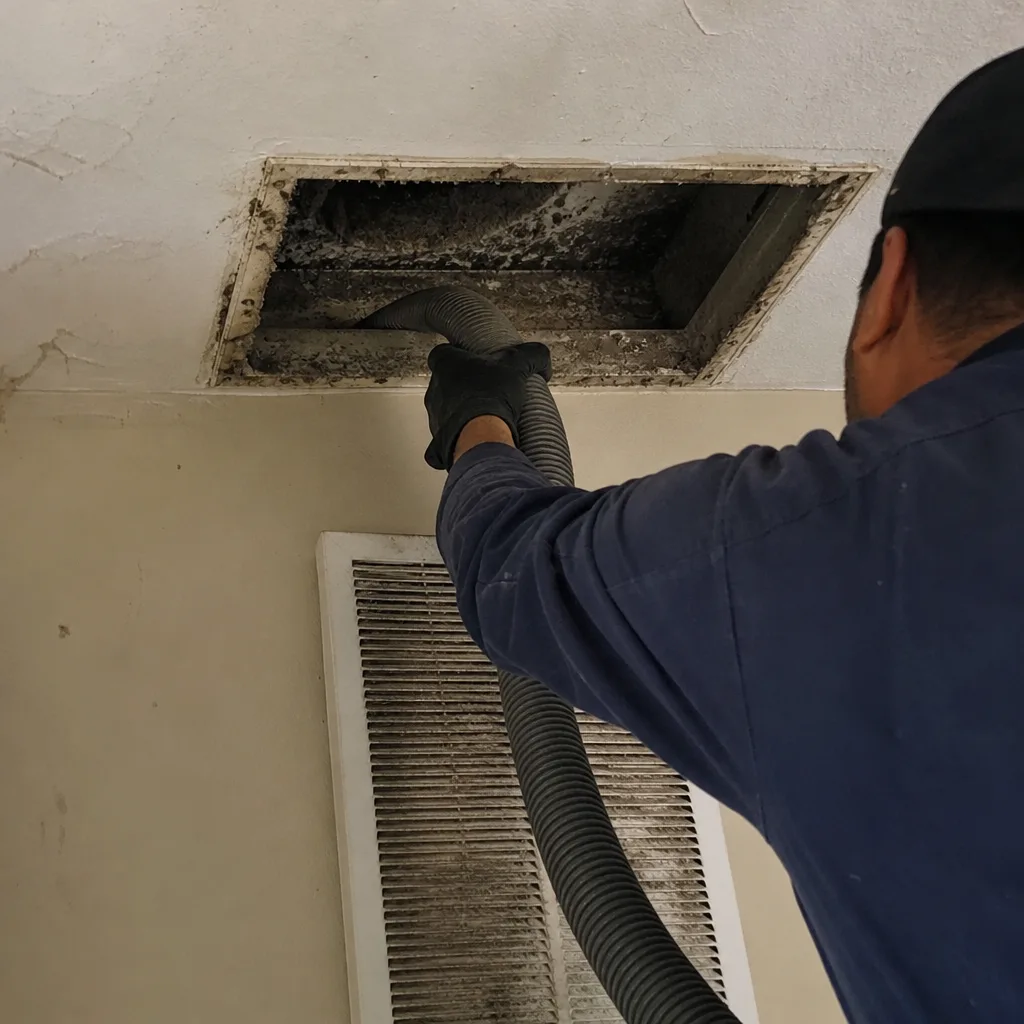 Before
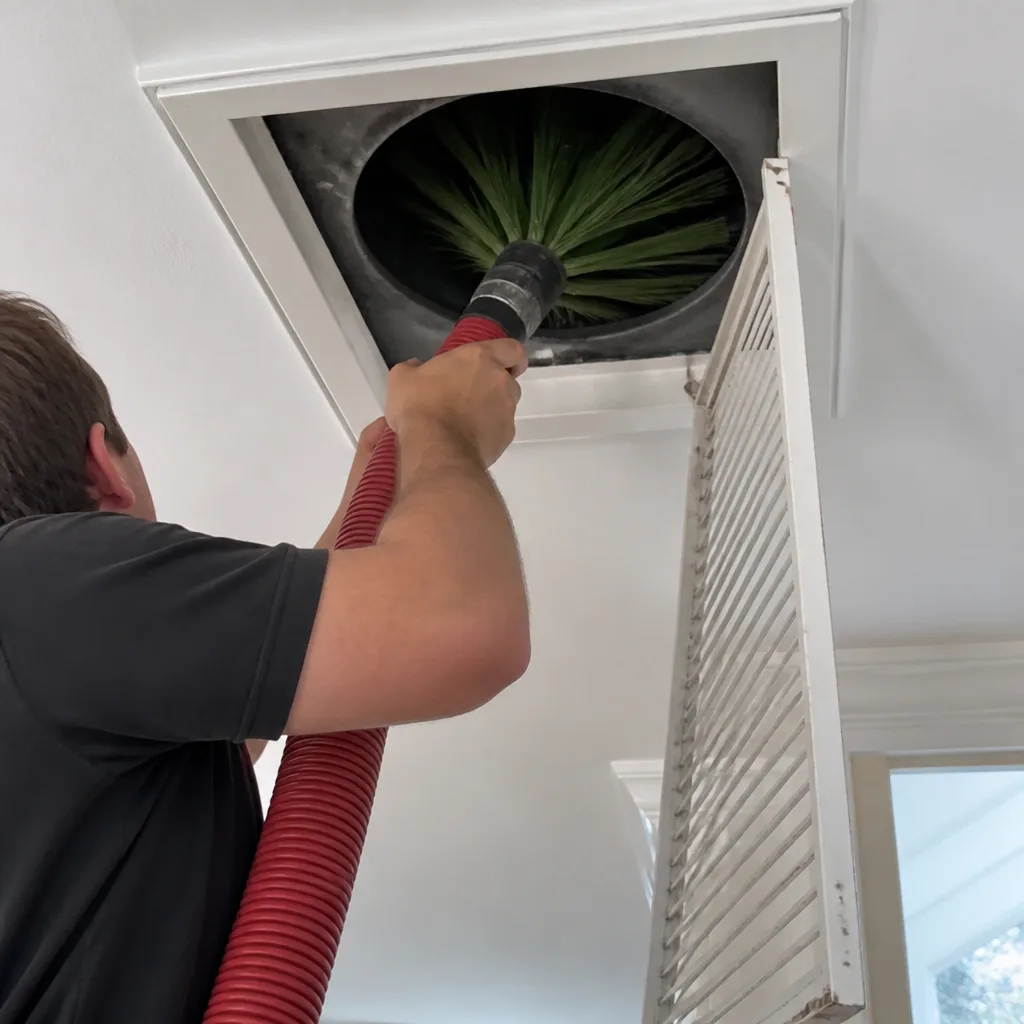 After
After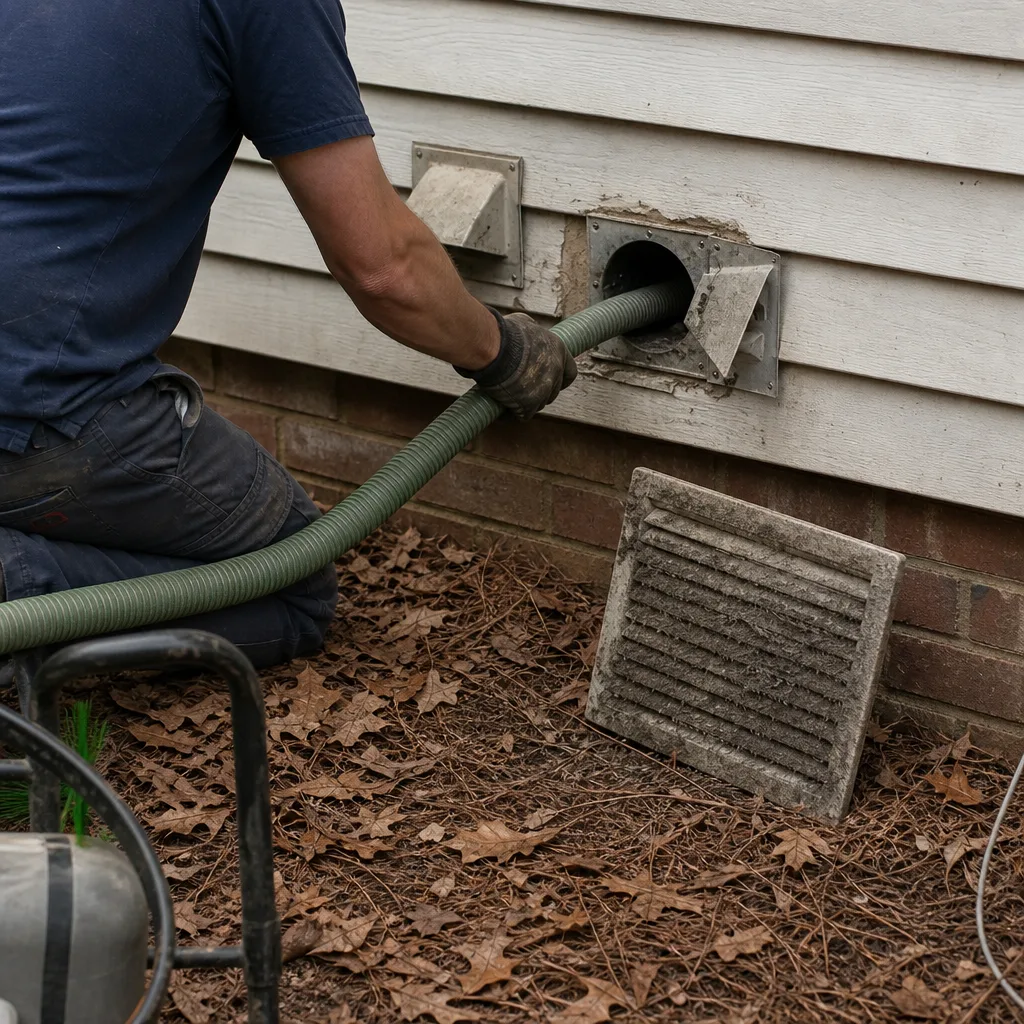 Before
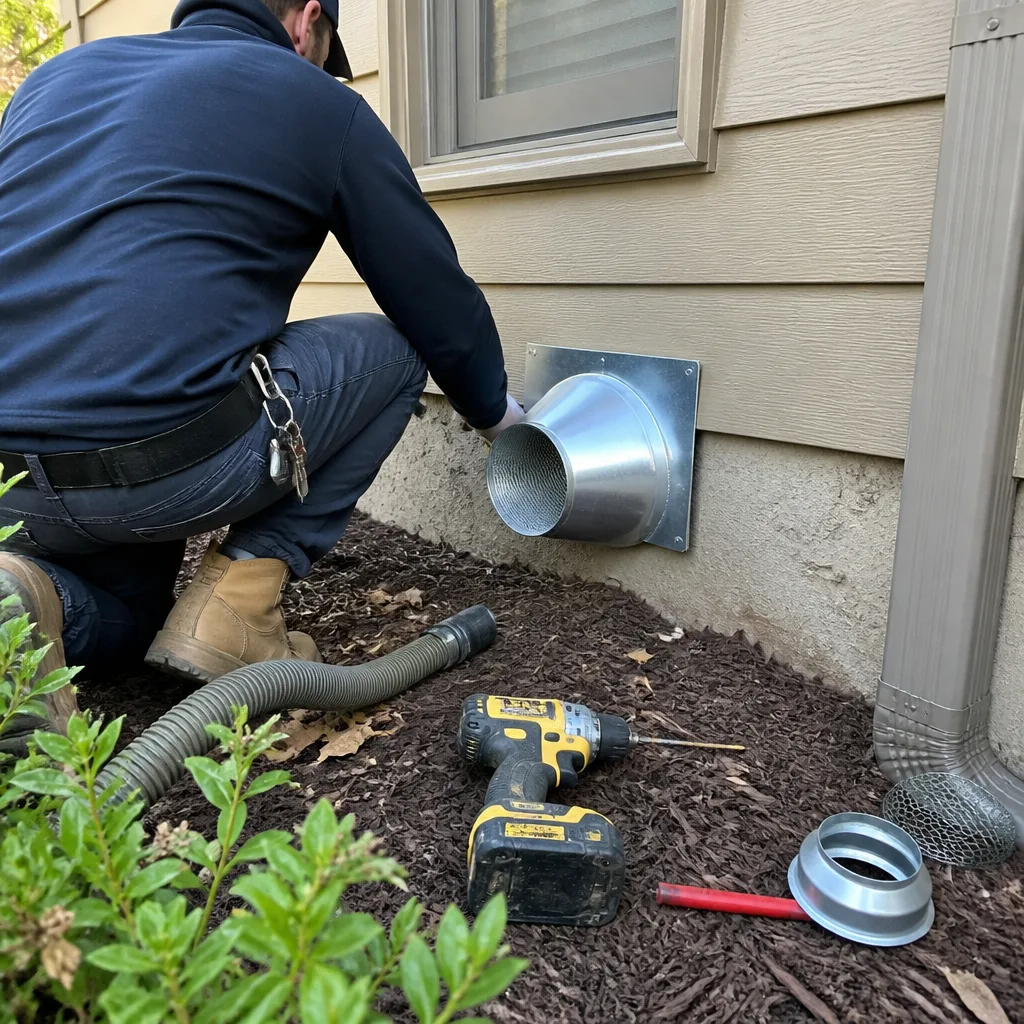 After
After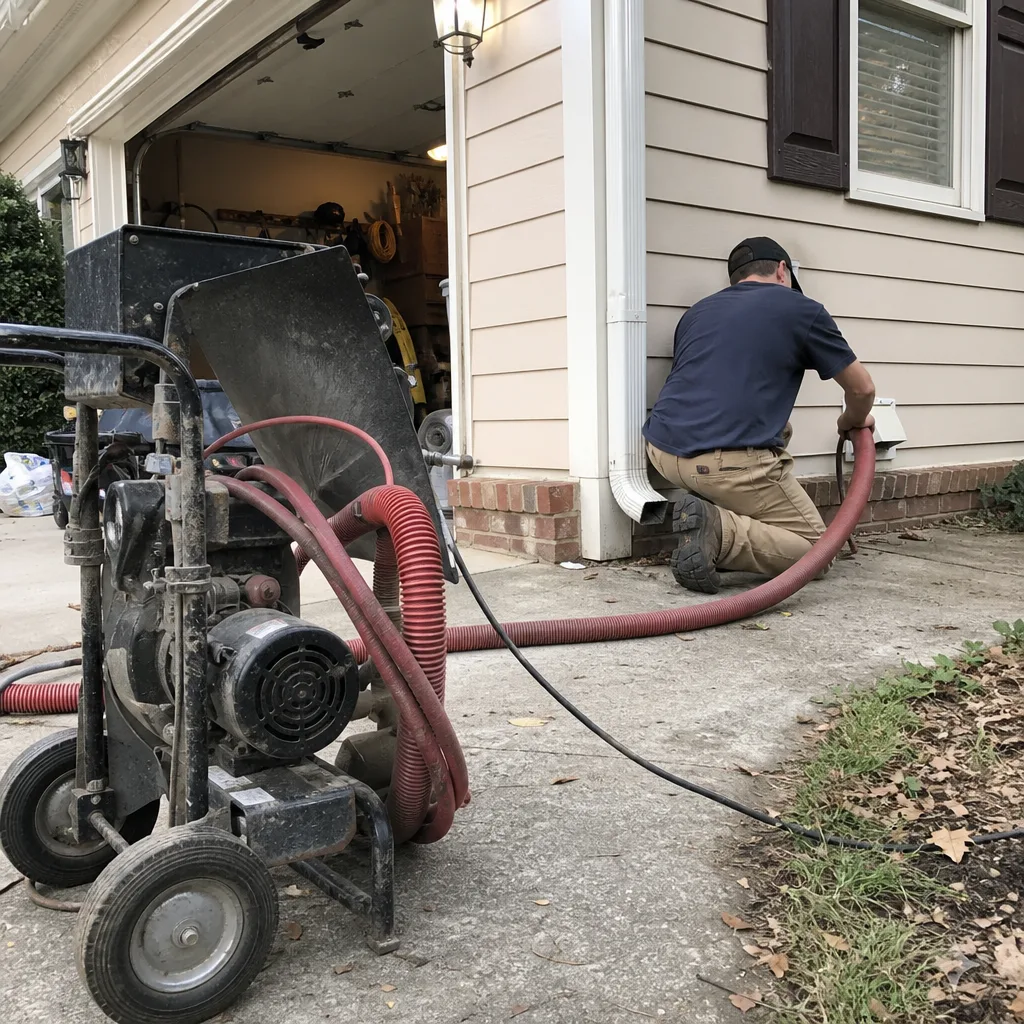 Before
 After
After