
Last updated October 15, 2026
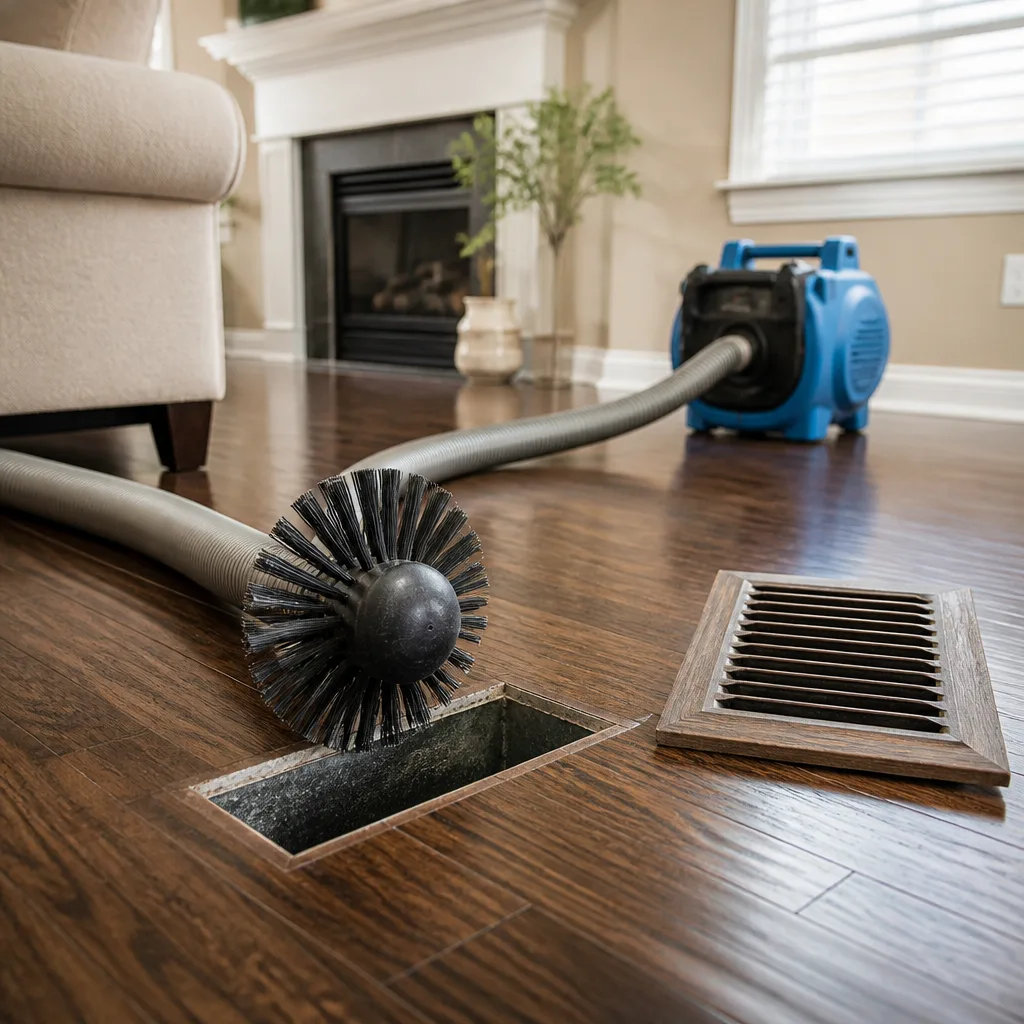 Whole-home duct cleaning
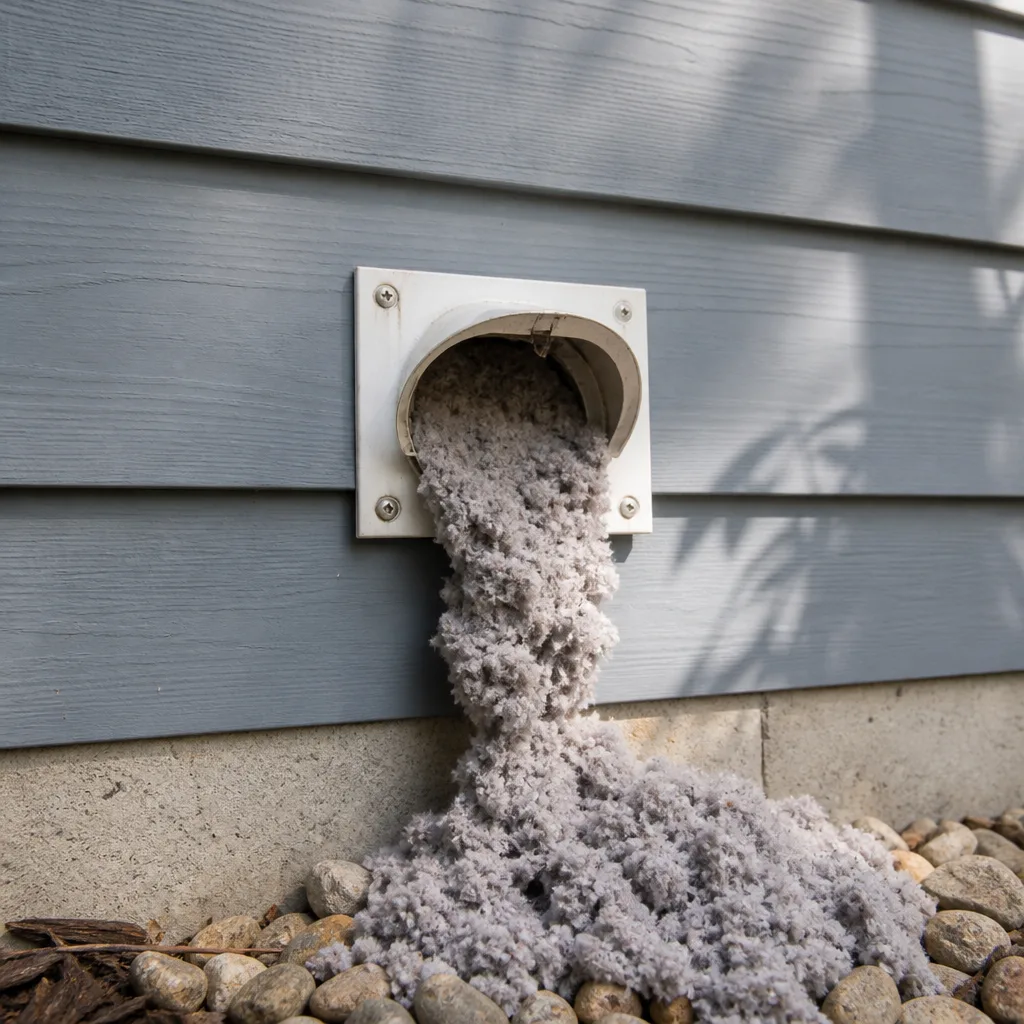 Dryer vent cleaning
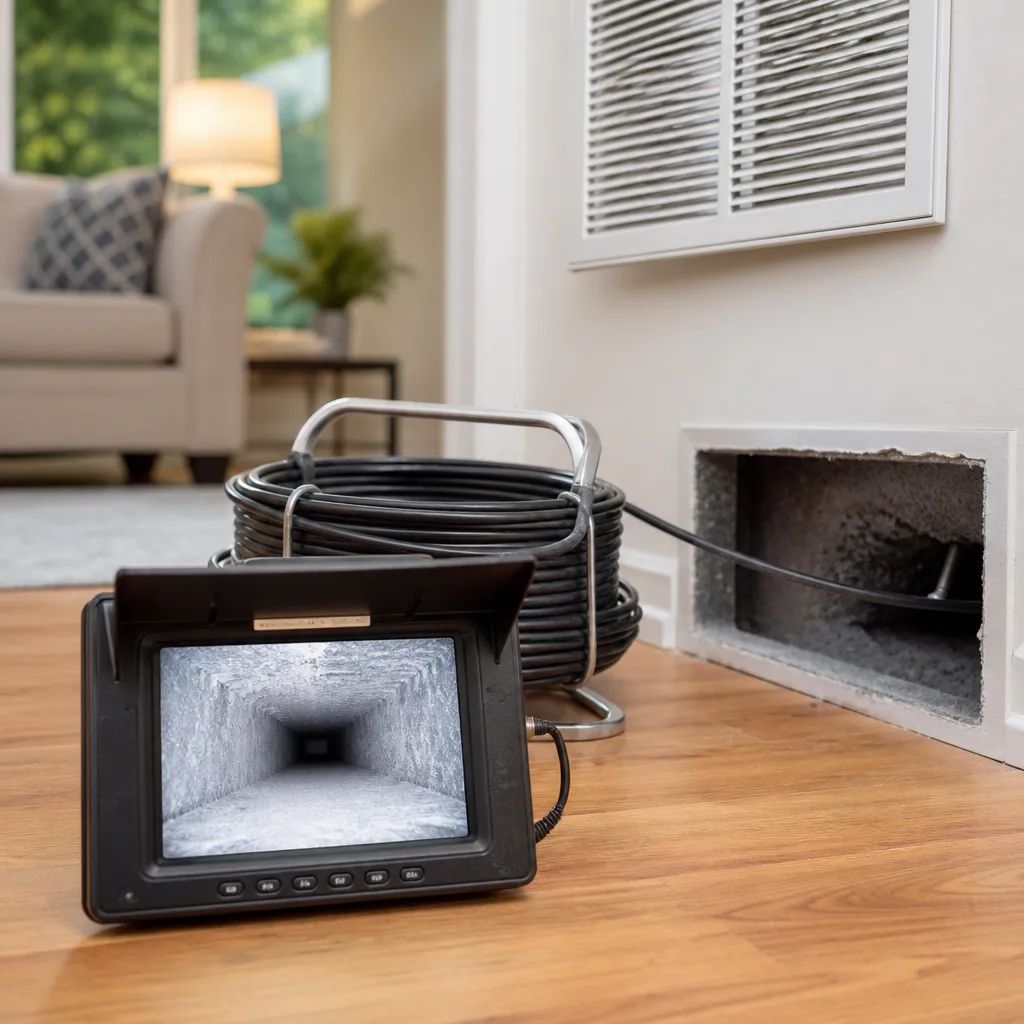 Camera inspection
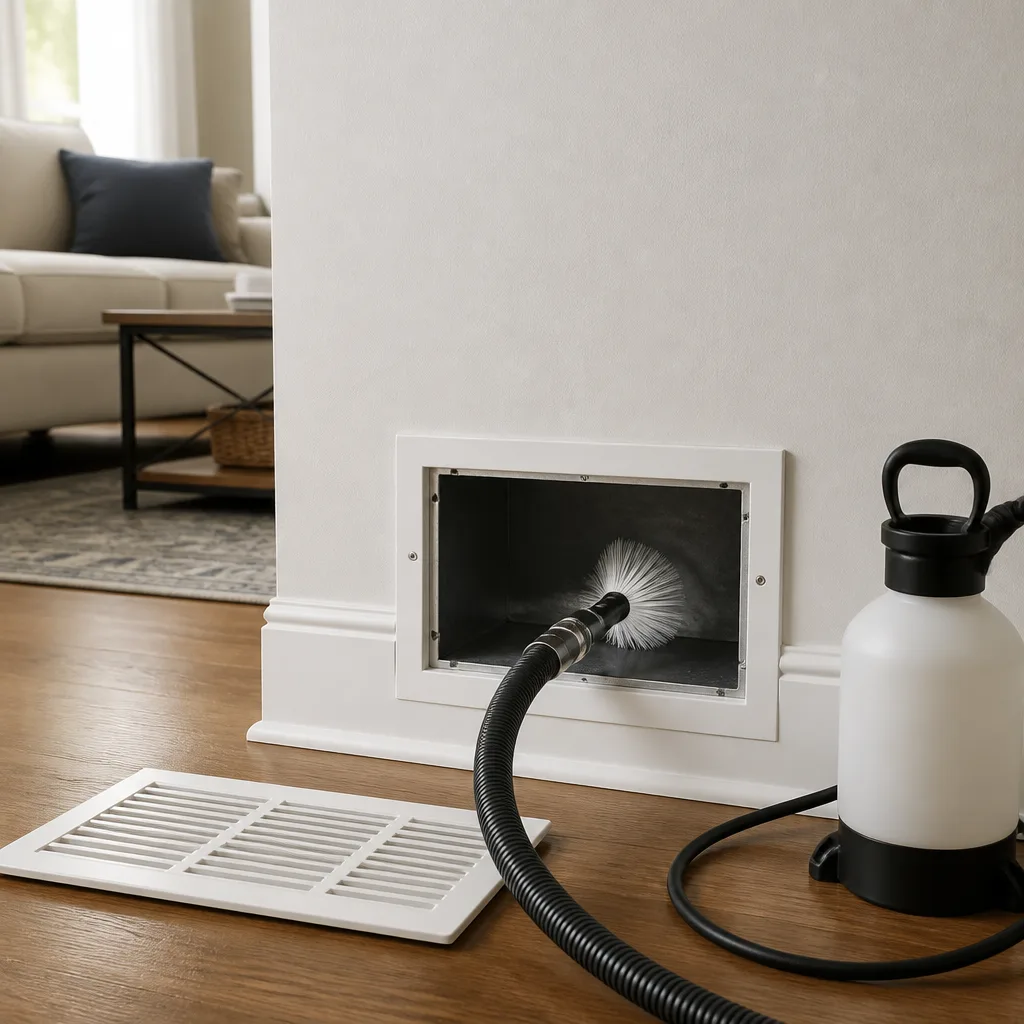 Sanitizing & deodorizing
Whole-system duct and dryer vent check with before-and-after photos - you see exactly what came out of your vents
That "$99 whole-house special" is a bait ad - the real number appears once they are in your hallway, or the "clean" is a shop-vac at the register. We photograph the inside of your ducts before and after instead.
Air Duct Cleaning Maintenance Checklist for Alpharetta Homeowners
If you can’t show a technician what was cleaned two years ago, you have no way to push back when they tell you it needs to be done again – and neither does your wallet. That’s the quiet problem most Alpharetta homeowners don’t realize they have until a crew is standing in the hallway quoting a number. This guide is built to fix that. You’ll learn how to create a living maintenance record for your air ducts, one that tracks every filter change, every vent inspection, and every air duct cleaning so you know exactly what was done, when, and why. It’s written for households with kids, pets, and full calendars – the reality of life in Alpharetta – and it assumes you’d rather spend ten minutes a month than guess later.
Styles & brands we work with
Quick Answer
An air duct cleaning maintenance checklist for Alpharetta homeowners should include monthly vent inspections in occupied rooms, filter changes timed to the local pollen calendar (roughly every 30 to 45 days during March, April, and May, extending to 60 to 90 days in lower-pollen months), a written log of every professional cleaning with dates and observations, and a documented record of what the technician found and did. A good checklist functions less like a to-do list and more like a home health record you can hand to any future contractor.
Table of Contents
- Why Your Duct Maintenance Record Matters More Than the Cleaning Itself
- The Alpharetta Filter Calendar: Timing Changes to Pollen, Not a Generic 90-Day Rule
- The Monthly Checklist: What to Look For Without Moving Furniture
- Seasonal Tasks: Spring, Summer, Fall, and Winter in Alpharetta
- What to Document After Every Professional Cleaning
- How to Use Your Checklist to Verify a Contractor Actually Did the Work
- Room-by-Room Vent Inspection Log
- Common Mistakes to Avoid
- When to Call a Professional
- Frequently Asked Questions
- The Bottom Line
Why Your Duct Maintenance Record Matters More Than the Cleaning Itself
Here’s the counterintuitive part: the most valuable thing you can do for your air ducts isn’t the cleaning. It’s the documentation. A duct cleaning lasts a few hours. A well-kept record lasts as long as you own the home, and it does three jobs at once. First, it protects you from paying twice – when a contractor says the ducts need cleaning and you can show they were professionally cleaned fourteen months ago with before-and-after photos, the conversation shifts from “trust us” to “here’s what we see.” Second, it builds a paper trail for warranty claims, which matters because some equipment warranties require evidence of regular maintenance. Third, and this is the one most people miss, it helps a future home buyer’s inspector. If you sell your Alpharetta home, a documented duct maintenance history with filter change dates and professional service records is a small thing that signals the whole house was cared for, not just cosmetically maintained.
We’ve walked into homes in Alpharetta where the homeowner couldn’t remember if the ducts were ever cleaned, let alone when or by whom. That’s not a judgment – it’s just what happens when a task lives in your head instead of on paper. The checklist below fixes that. Think of it as a home record, not a chore list.
The Alpharetta Filter Calendar: Timing Changes to Pollen, Not a Generic 90-Day Rule
Most national advice says change your HVAC filter every 90 days. That advice ignores where you live. Alpharetta sits in a pocket of Georgia where tree pollen arrives early, stays late, and coats everything – including the air your system pulls in. The oak, pine, and sweetgum pollen peaks from late February through May, and if you’re waiting a full 90 days between filter changes during that window, you’re running a clogged filter for six of those weeks. That means reduced airflow, a harder-working blower motor, and dust recirculating through rooms you just cleaned.
Here’s a filter calendar calibrated to what Alpharetta’s air actually does each month:
- Late February through May (pollen season): Change the filter every 30 to 45 days. Check it at day 30 and use your judgment – if it’s coated, change it. Homes near wooded areas in neighborhoods like Crabapple or Milton border zones will see faster accumulation.
- June and July (heat and humidity): Every 45 to 60 days. The system runs harder during Georgia summers, which means more air passes through the filter even when pollen counts drop.
- August through October (ragweed and leaf litter): Every 45 to 60 days. Ragweed season in North Fulton triggers the same issues as spring for allergy-sensitive households.
- November through early February (lower allergen load): Every 60 to 90 days. This is the only stretch where the generic rule actually applies.
Households with pets or multiple kids: Shorten every interval by about two weeks. Pet dander and the dust that follows children through the house load filters faster than any calendar predicts. If you have a dog that sheds, check the filter monthly no matter the season. The filter is the first line of defense for your ducts – what it catches never enters the system.
Write every filter change in your log. Date, filter type, filter size, and a one-line note on condition (“heavily coated,” “light dust,” “pet hair visible”). That record becomes useful diagnostic information if airflow issues ever appear.
The Monthly Checklist: What to Look For Without Moving Furniture
Monthly checks don’t need to be a deep project. Ten minutes, one walk-through, and a small notebook or notes app. The point is consistency – noticing what’s normal so you recognize when something isn’t. Here’s what to look at each month:
- Walk each room and check the supply vents. These are the vents that blow air out. Look for dust buildup on the vent louvers themselves and any discoloration on the surrounding wall or ceiling. A small amount is normal; a visible gray film forming within a month of cleaning is not.
- Check return vents. These are the larger grilles that pull air in. They collect more debris than supply vents. If they’re visibly dusty, vacuum the grille gently with a brush attachment, but don’t push dust back into the duct. Wipe outward, not inward.
- Note any new musty or stale smell when the system kicks on. Alpharetta’s humid months make this more noticeable. A brief musty smell that fades in a minute can be normal condensation; a persistent smell that lingers in every cycle is worth investigating.
- Look for any vent covers that have been knocked loose. Kids, pets, and vacuum cleaners dislodge vents more often than anyone expects. A loose vent lets unfiltered air bypass the system and pull dust into the ductwork.
- Check one or two floor vents in rooms where pets spend time. You’re not cleaning these deeply every month, just checking for visible pet hair accumulation. If you see hair collecting at the edges, the system is pulling it in.
- Record any changes in airflow between rooms. If the bedroom over the garage has always been a little weaker, that’s your baseline. If it gets noticeably weaker, or if a room that was fine becomes weak, that’s a signal – duct leaks, a damper issue, or a blockage.
Keep the record simple. One line per observation with the date. This isn’t about being thorough for thoroughness’ sake; it’s about having a baseline so you can tell the difference between “this room was always like that” and “this room changed last month.” Six months of nothing to report is a good log.
Seasonal Tasks: Spring, Summer, Fall, and Winter in Alpharetta
Alpharetta’s seasons don’t map neatly to a national calendar. Spring arrives in February and summer’s humidity is the real winter challenge. Here’s what each season actually requires for duct and HVAC care in this specific climate.
Spring (Late February through May)
- Switch to the 30-to-45-day filter schedule as pollen arrives.
- Check dryer vent exhaust outside the home. Spring is nesting season for birds and small animals, and a warm dryer vent exterior is an attractive spot. A clogged or blocked exhaust cap backs up lint and forces your dryer to work far harder than it should. This is also the season to schedule a dryer vent cleaning in Alpharetta if you haven’t had one in a year.
- Walk the outside of the house and look at the HVAC condenser unit. Clear away any leaves, pollen buildup, or debris within two feet of the unit. Alpharetta’s spring pollen coats condenser coils, reducing efficiency.
Summer (June through early September)
- The system runs almost constantly in July and August. Filters load with humidity-combined dust, which forms a denser mat than dry dust. Check every 30 days even if the calendar says 45 to 60.
- Watch vents in upstairs rooms. Heat rises, humidity rises, and your system works hardest in the afternoon. If upstairs rooms feel more humid than the rest of the house, your ducts may have small leaks letting attic air in.
- Listen for any new rattling or whistling when the system cycles. Ductwork expands and contracts with temperature swings, and a connection that was tight in April may not be tight in August.
Fall (Late September through November)
- Schedule your professional air duct cleaning in Alpharetta before the heating season starts. Ducts have spent six months pulling in pollen, dander, and humidity-condensed dust. A fall cleaning means your heating system starts with clean coils and clear airflow.
- Test the dryer vent exhaust again before heavy clothes-drying season begins. Sweaters, blankets, and thicker fabrics shed more lint than summer loads.
- Check for any gaps around floor vents where cool air from crawl spaces could mix with heated air. Seal visible gaps with caulk or metal tape.
Winter (December through early February)
- Extend filter intervals to 60 to 90 days, but only if your fall cleaning confirmed clean ducts and a fresh filter went in after the cleaning.
- Inspect visible ductwork in attics and crawl spaces for disconnected joints or sagging sections. Cold weather makes metal contract, and that slight shrinkage can separate connections that were fine in fall.
- Note any sudden increase in dust on furniture. Winter means windows are closed and the system recirculates the same air, so dust buildup accelerates. If you notice far more dust than usual, check the filter first, then look for leaks in return ducting.
What to Document After Every Professional Cleaning
This section is the heart of the whole approach. A professional duct cleaning is an event, not just a service, and it should leave a paper trail. Here’s exactly what to record, and what to ask for before the crew leaves.
- Date of service and company name. Obvious, but write it down anyway. Include the technician’s name if you caught it.
- Scope of work. Exactly what was cleaned: all supply ducts, return ducts, both, the main trunk line, the blower motor, the coils? If the invoice says “full system cleaning,” ask what that includes. At a minimum, the air handler, coils, blower, supply and return plenums, and all accessible duct branches should be included.
- Method and equipment used. Was it a negative air system with a rotating brush, or a vacuum-only collection? Professional equipment from brands like Rotobrush and Nikro operates differently than rental-store gear, and the distinction matters for the quality of the clean and the record of what was actually performed.
- Before-and-after photos. Reputable companies take these. Request them if they’re not offered. The photos should show the interior of the ducts, not just the vent covers. If a company won’t provide photos, note that in your log. At Morton’s Air Duct Alpharetta, every completed job includes a photo of the clean-up before the crew leaves – visual proof the home is left better than they found it, which is part of the Cedarwell Care Promise.
- Filter replacement. A filter should be installed or the homeowner should be told the current filter’s condition and next replacement date. Record what happened.
- Any recommendations made. Did the technician note rust, moisture, damaged ductwork, or a leak? Write it down verbatim. If the recommendation becomes a future issue, your log shows it was identified and when.
- Price paid, broken into line items. A whole-system price agreed before work starts is the industry gold standard. If your invoice shows one flat price per system with no per-vent surprises, note that for future comparison. If it shows anything else, note that too.
Store this log with your home maintenance records – the same folder as HVAC service receipts, roof inspections, and water heater information. If you sell your home, this record gets handed to the buyer. It’s a real value-add that most sellers can’t produce.
How to Use Your Checklist to Verify a Contractor Actually Did the Work
The air duct cleaning industry has a reputation problem that honest operators in Alpharetta are working hard to change. Too many homeowners have been burned by a low quote that grew after the van pulled up, or a “cleaning” that consisted of vacuuming a few visible vents. Your maintenance checklist is the tool that protects you.
Before you hire anyone, your checklist should exist. Not being paranoid – being prepared. Here’s how to use it:
- Write down the current condition of your ducts before the crew arrives. Note vent dust levels, any smells, and airflow per room. After the service, re-check those same details. If everything looks identical and no photos were provided, the work is called into question.
- Ask for the written price before any work starts, on every visit, no exceptions. This is the industry standard that honest companies meet without hesitation. If a technician can’t or won’t put the price in writing before beginning, end the appointment. Your checklist log now includes that event, which protects you later.
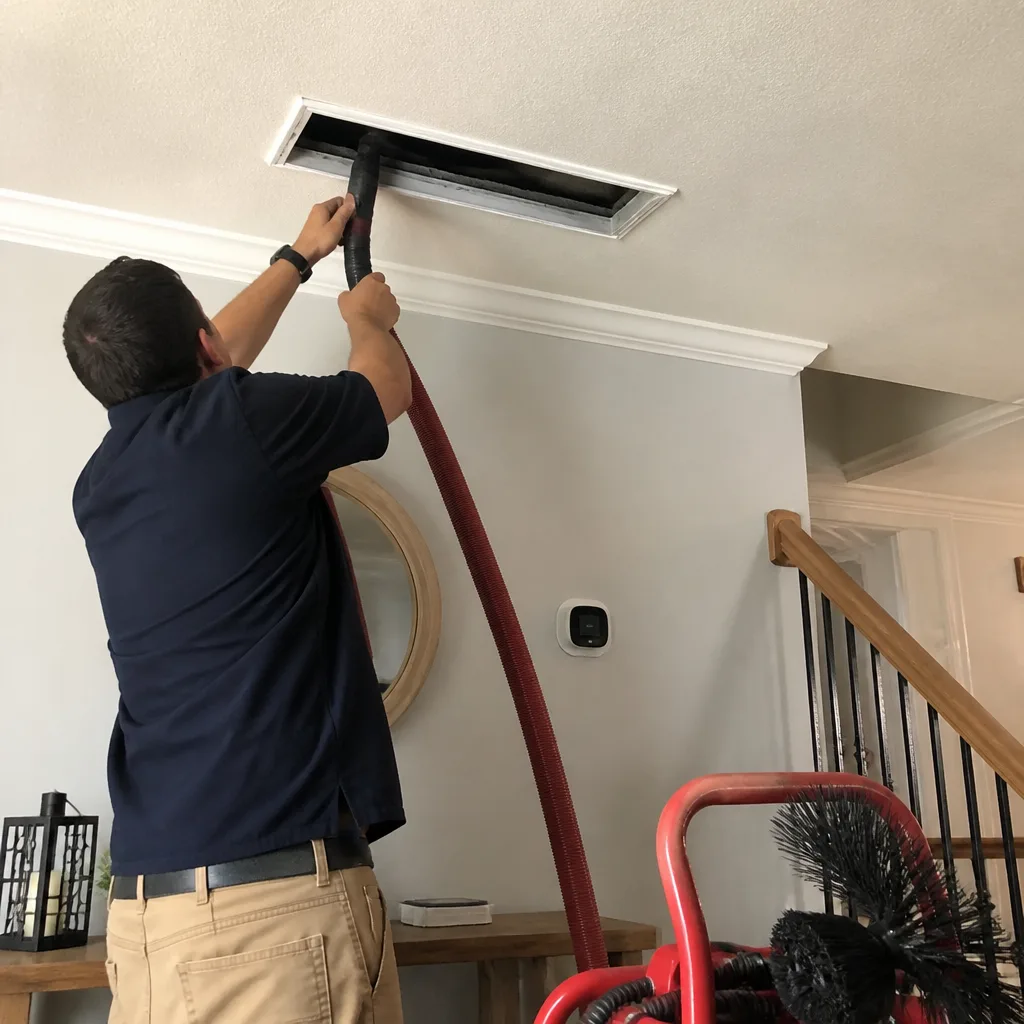
- Confirm the method before they begin. A proper duct cleaning uses negative air pressure that pulls debris from the entire system while mechanical agitation (brushes or compressed air) loosens it. Vacuuming visible vent openings is not duct cleaning. Ask which method they use. A company that answers clearly and names its equipment – Rotobrush, Nikro, Abatement Technologies – is a company that knows what it’s doing.
- Ask about containment and protection before the crew walks in. Shoe covers and drop cloths should be a given for any professional crew, not an upsell. At Morton’s Air Duct Alpharetta, these are part of the Cedarwell Care Promise on every visit. Floors are protected from the moment the crew walks in, and quiet tools are available for households with napping kids or anxious pets.
- Request before-and-after photos of the duct interiors. Your log should include these. A company that provides them without being asked is demonstrating confidence. A company that demurs is telling you something too.
One flat price per system, agreed before work starts, is the strongest signal of an honest operator in this field. Everything else is a red flag or a caution light.
Room-by-Room Vent Inspection Log
Most homeowners never count their vents, let alone track their condition by room. That’s a missed opportunity, because vent condition varies predictably by room type. A vent in the kitchen, where cooking grease mixes with dust, won’t look like a vent in a rarely used guest bedroom. Here’s a room-by-room log you can fill out during your monthly walk-through.
Living Room and Main Living Areas
- Count supply vents and return vents. Record the number.
- Check for dust filming on vent louvers and the surrounding wall.
- Note whether return vents face high-traffic areas where shoes bring in grit.
- If you have a gas fireplace, check the return vent nearest it for soot accumulation.
Bedrooms
- Check vents near beds and cribs first. This is where dust matters most for breathing air.
- Look at ceiling vents for spiderwebs and dust strands, which indicate low airflow through that branch.
- Note any room that consistently smells musty, even faintly. Alpharetta’s humidity can support mold growth in ducts that stay cool and damp.
Kitchen
- The kitchen vent accumulates grease-dust composite faster than any other room. Check it twice as often, especially if you cook often.
- Wipe vent covers with a degreasing cleaner quarterly to keep buildup from baking on.
- Never use water to clean a duct – just the cover, removed from the wall, cleaned separately.
Bathrooms
- Bathroom exhaust fans pull moisture out, but supply vents in bathrooms can collect lint and dust-moisture clumps. Check for dried crusty dust at vent edges.
- If your bathroom vent is adjacent to the shower, note any rust or discoloration – it signals moisture is entering the duct, not just passing through the room.
Basement or Lower Level, if applicable
- Lower-level vents in Georgia homes can pull in more humidity. Check for condensation marks or mold spots around vents.
- If you have a finished basement in Alpharetta, the ducts there run cooler than the rest of the house in summer, which means more moisture accumulation.
Garage or Laundry Area
- Vents near the laundry room collect lint from the dryer, even with a proper exterior exhaust.
- Garage-adjacent ducts can pull in car exhaust or chemical fumes. Keep an eye on any vent in a wall shared with the garage.
Keep this log in simple table form: Room, Number of Vents, Condition, Date Checked, Notes. Three columns, ten minutes, once a month. Over a year you’ll have a complete map of how your home’s airflow behaves, and you’ll have given every future technician a document they almost never see: a homeowner who was paying attention.
Common Mistakes to Avoid
- Changing filters on a rigid 90-day schedule. In Alpharetta, that means running a clogged filter through the entire spring pollen season. The calendar should flex with what’s actually in the air, and what’s actually in the air changes every month from February through May. Adjust based on what you see when you check the filter, not what a national article presumes.
- Assuming a professional cleaning was done well because nothing looked broken. Ducts are mostly invisible. A complete job leaves evidence – before-and-after photos, a detailed scope of work, a clearly written invoice – not just a lighter smell in the hallway. If you didn’t get the evidence, you can’t confirm the work.
- Vacuuming visible vent covers and calling it maintenance. Cleaning the outside of a vent doesn’t touch the debris inside the system. Worse, pushing a vacuum nozzle into a vent without the right attachment can push debris deeper into the duct or damage the damper. Surface vent wiping is one monthly task among many, not the whole program.
- Ignoring the dryer vent because it’s not technically HVAC. Dryer vents are the most common fire risk in the duct family and the most commonly forgotten. A dryer vent full of lint has one job: waiting for heat. Schedule a dryer vent cleaning in Alpharetta at least once a year, more often with heavy laundry loads.
- Throwing away filter change records. That receipt or photo is the only proof you have that maintenance happened on schedule. Toss it and you lose the warranty argument before it starts. Store filter receipts or photos with your home records, even if it feels like clutter.
- Hiring based on the lowest bid without asking what it covers. A low price for duct cleaning often means a partial clean – the visible vents only, or the supply side without the return, or without the coils. Ask for a written scope of work with the written price. If the cheap bid doesn’t match the full-system scope of the honest bid, the cheap bid isn’t cheaper; it’s less work.
- Forgetting to note airflow complaints before the technician arrives. If the bedroom over the garage has been weak for six months and you mention it to the tech, they should investigate that specific branch. If you don’t mention it, they’ll clean the system as-is and the imbalance remains. Your monthly log is what makes those specific conversations possible.
When to Call a Professional
Most of this checklist is work you can do yourself in minutes a month. But some findings are not DIY territory. Call a professional when you see visible mold growth on or around vents, when airflow drops suddenly in multiple rooms, when a persistent musty smell doesn’t fade, when you notice rodent or insect activity in duct openings, when the system hasn’t been professionally cleaned in four or more years, or when you’re buying a home and don’t have a duct maintenance record from the previous owner. These are the situations where trained eyes and professional equipment matter. Mortons Air Duct Alpharetta offers free estimates in Alpharetta – call (762) 263-0408 and a live person will answer, not a voicemail. We’ve been serving Alpharetta homeowners since 2005, and every visit comes with a written price before work begins.
Frequently Asked Questions
Air duct cleaning in Alpharetta typically costs between $350 and $650 for a full single-system home, depending on the number of vents, the system’s configuration, and the level of buildup. Before scheduling, check Air Duct Cleaning Permits, Codes & Inspections in GA: What You Need to Know to make sure your contractor is compliant. Honest companies quote one flat price per system before work begins. If a quote feels unusually low, ask what’s included – coil cleaning, blower cleaning, and return ductwork are often left out of teaser prices. Call (762) 263-0408 for an exact quote; estimates are free and the price you’re quoted is the price you’ll pay.
Some companies quote a low starting price that only covers the visible supply vents, then add charges for returns, coils, the blower, or extra vents once the crew is inside. Others skip the coils and blower entirely, which are the parts most in need of cleaning. A reputable company provides a written price for the whole system before any work starts – no surprises on the invoice. If the price seems too good to be true, ask for the written scope of work and compare line by line.
Ask for before-and-after photos of the interior of your ducts, not just the vent covers. Reputable companies take these as standard practice. At Morton’s Air Duct Alpharetta, every completed job includes a photo of the clean-up before the crew leaves, so you have visual proof the home is left better than they found it – part of the Cedarwell Care Promise. If a company won’t provide photos or a detailed invoice, treat that as a red flag.
In Alpharetta, we recommend professional air duct cleaning every three to five years for most homes, every two to three years for households with multiple pets or severe allergies, and before you move into a new home without a duct maintenance record. The local pollen season loads filters and ducts faster than drier climates, so the interval matters. Your filter-change record and monthly inspections will tell you sooner if your specific home needs more frequent attention.
You can and should perform the monthly inspection and surface cleaning tasks described in this guide, but a true interior duct cleaning requires negative air pressure equipment and mechanical agitation – the tools that professional companies use, not a household vacuum. DIY attempts often push debris deeper into the system or damage inner liners. For anything beyond surface wiping and filter changes, call a professional who uses equipment from brands like Rotobrush or Nikro.
Hand it to the buyer. A complete duct maintenance record with filter change dates, professional service invoices, and before-and-after photos shows the home was maintained beyond cosmetic surfaces. It’s a small stack of papers that can shorten inspection negotiations and justifies your asking price. Most sellers can’t produce one, which makes yours stand out.
The Bottom Line
A duct cleaning maintenance checklist for your Alpharetta home isn’t a chore list – it’s your evidence. It’s the document that tells any future technician exactly what was done, when, and why, so nothing gets guessed at and nothing gets sold twice. Check vents monthly, change filters on a pollen-calibrated schedule, document every professional service, and keep it all in one place. When the time comes to hire a professional, you’ll know what to ask for and what honest work looks like. And when someone tells you the work needs to be done again, you’ll have the record to know if they’re right.
Written by Paul Adeyemi, Owner at Mortons Air Duct Alpharetta, serving Alpharetta since 2005. Explore more guides & resources on home air quality and maintenance.
See the difference
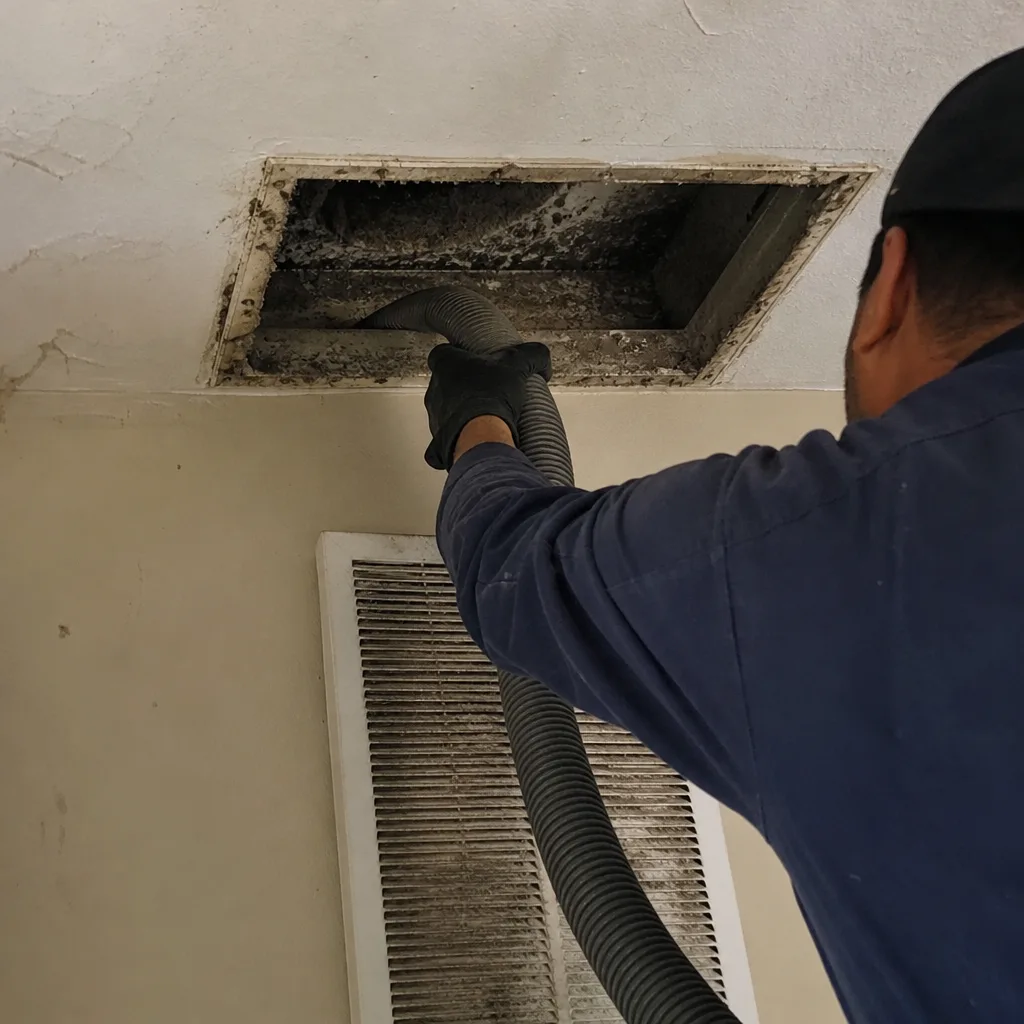 Before
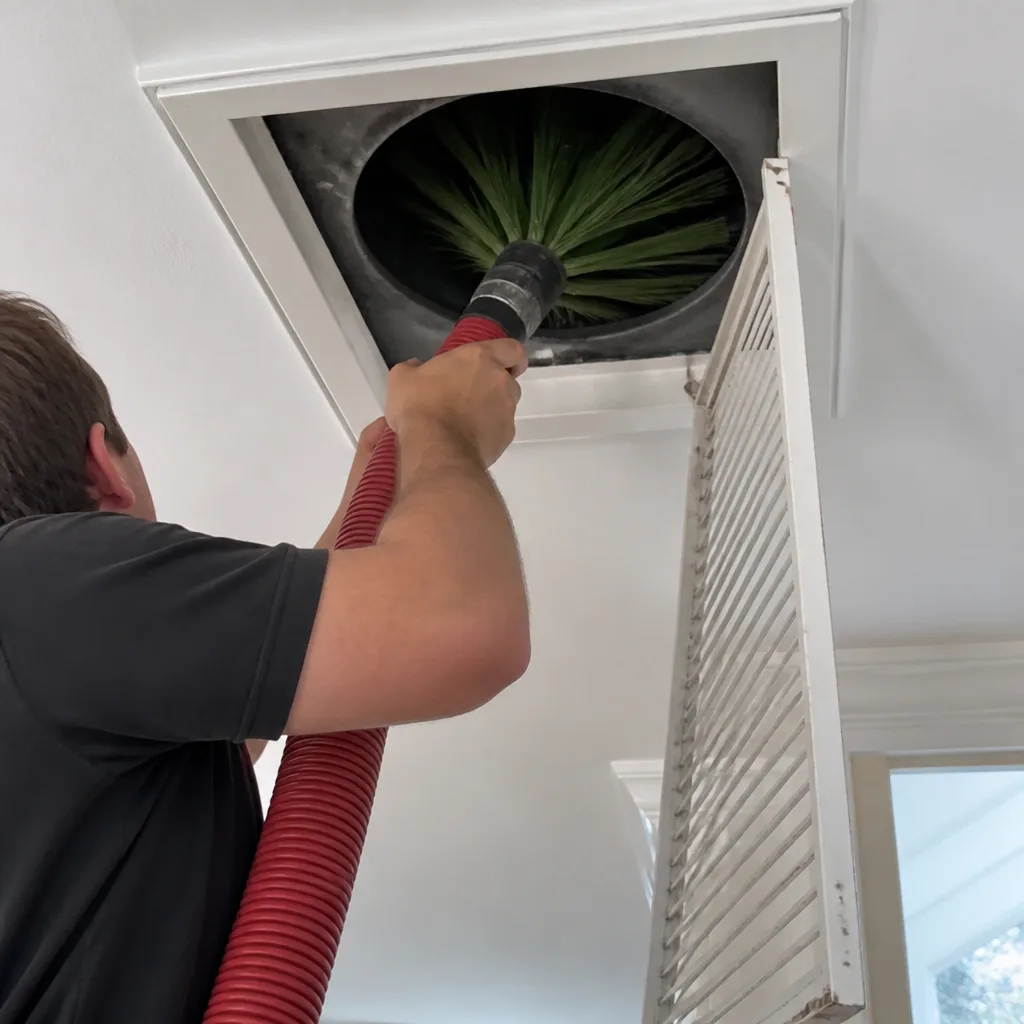 After
After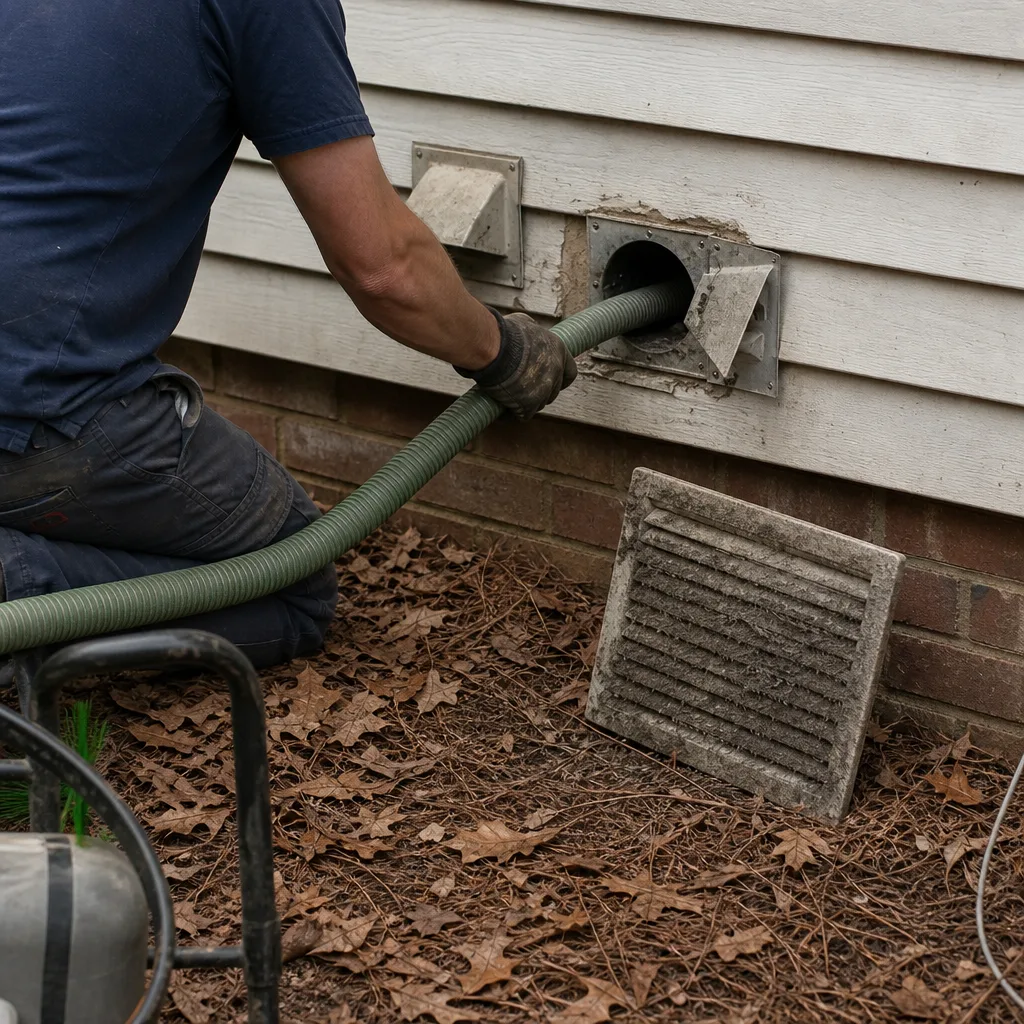 Before
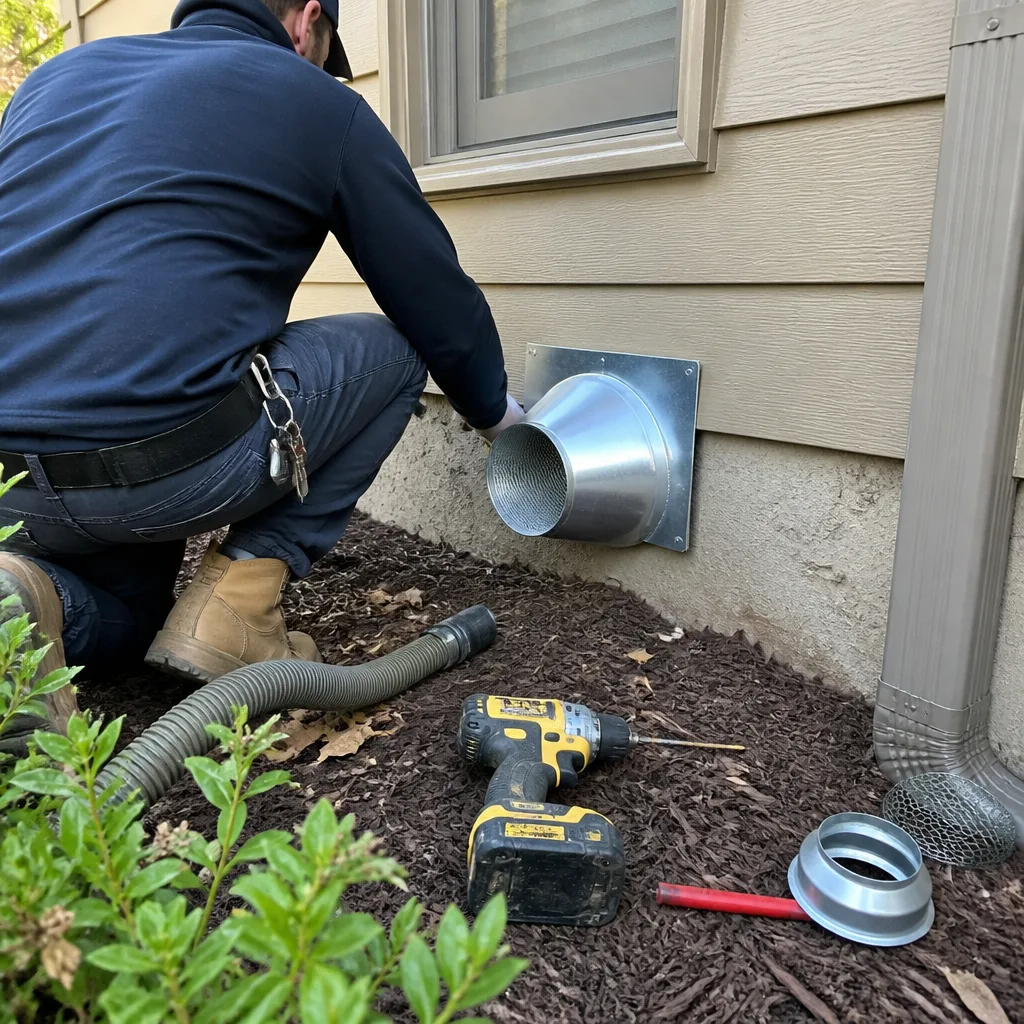 After
After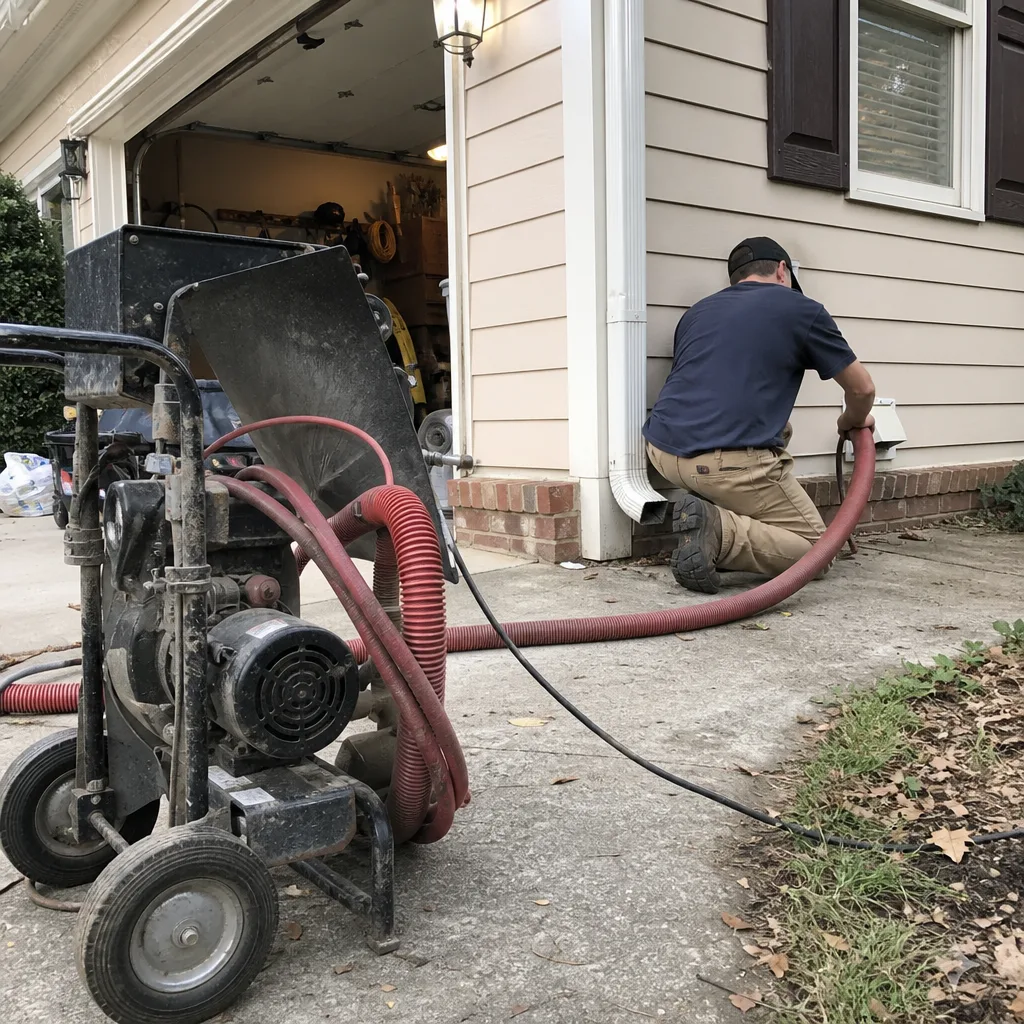 Before
 After
After